
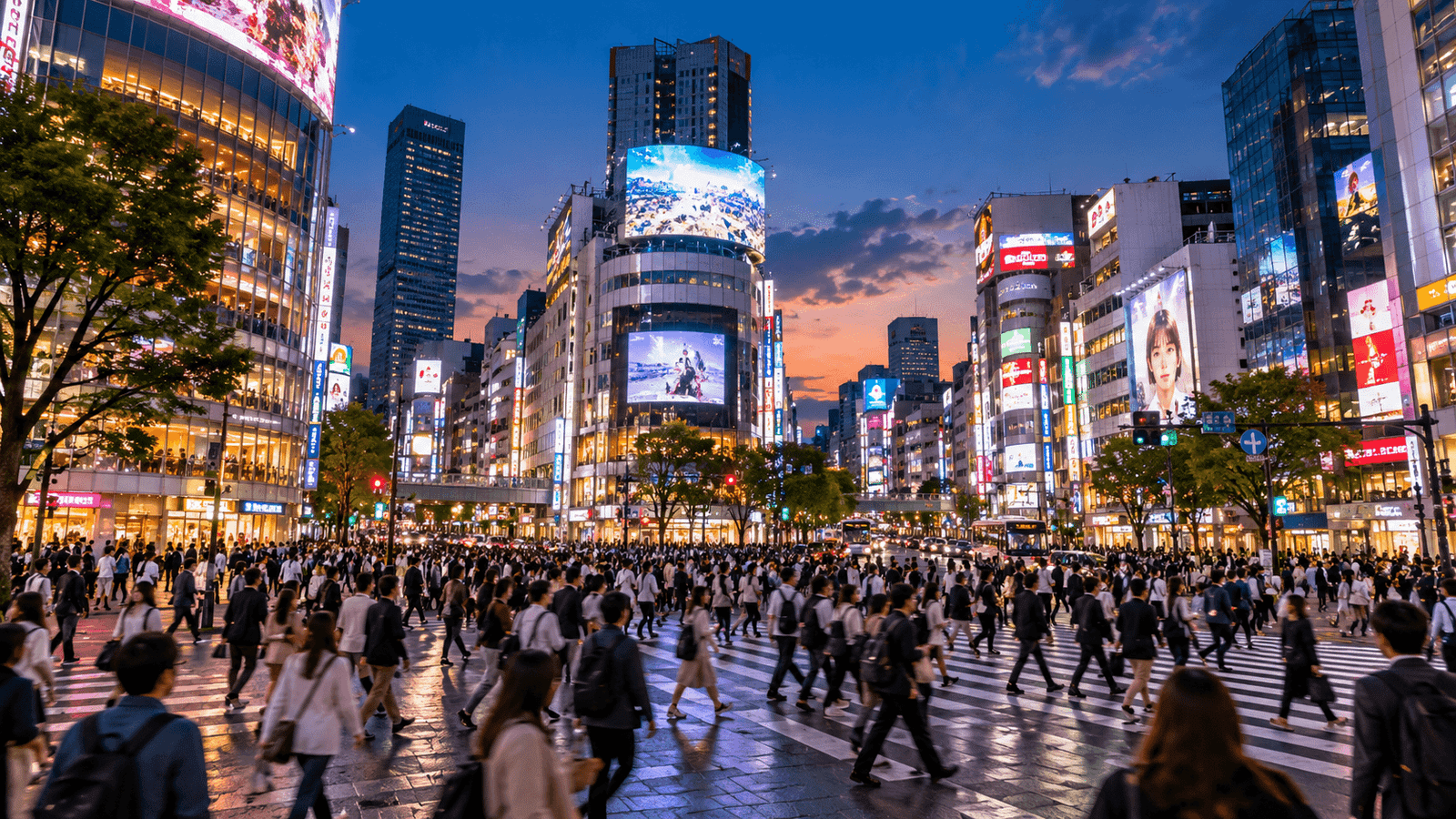

Tokyo is a city where old traditions meet modern life. You can visit a peaceful shrine in the morning and walk through neon streets at night. You can eat fresh sushi, explore anime stores, watch sumo, or see the city from high above.
For first-time visitors, choosing the best things to do in Tokyo can feel difficult. The city is huge, and there are hundreds of attractions.
However, you do not need to see everything.
Start with Tokyo’s famous landmarks. Then add food, culture, shopping, nightlife, and experiences that match your interests.
Some of the top places to visit include Senso-ji Temple, Shibuya Crossing, Meiji Jingu, Shinjuku, teamLab Borderless, Tokyo Skytree, and Akihabara.
If Tokyo is part of a bigger trip, start with our complete Japan travel guide to plan your full route
This guide covers the best Tokyo attractions, cultural experiences, food, nightlife, family activities, free attractions, rainy-day ideas, and day trips. It also explains what to book ahead and which places you can easily visit together.
🗼 Key Takeaways
- Must-do free experience: Shibuya Crossing + Senso-ji Temple cost nothing
- Best free skyline view: Tokyo Metropolitan Government Building (202m up)
- Book ahead or miss out: Ghibli Museum, teamLab Borderless, Shibuya Sky
- Ideal first trip: 3–5 days in Tokyo covers the major highlights
- Best base for first-timers: Shinjuku or Shibuya for transport access
Best Things to Do in Tokyo at a Glance
If this is your first trip, start with these Tokyo experiences.
| Experience | Best For | Area | Cost |
| Senso-ji Temple | History and culture | Asakusa | Free |
| Meiji Jingu | Shrines and nature | Harajuku | Free |
| Shibuya Crossing | First-time visitors | Shibuya | Free |
| Shibuya Sky | Skyline views | Shibuya | Paid |
| teamLab Borderless | Digital art | Azabudai Hills | Paid |
| Tokyo Skytree | High city views | Oshiage | Paid |
| Tsukiji Outer Market | Food | Tsukiji | Varies |
| Akihabara | Anime and gaming | Akihabara | Free to explore |
| Shinjuku | Nightlife | Shinjuku | Varies |
| Tokyo Disneyland or DisneySea | Families and Disney fans | Urayasu | Paid |
Opening hours, ticket prices, and reservation rules can change. Check official attraction websites before your visit.
🎯 Not Sure Where to Start? Pick Your Style
👤 First-Timer
Senso-ji → Meiji Jingu → Shibuya Crossing → one observation deck
👨👩👧 Family
Tokyo Disneyland/DisneySea, teamLab, Ghibli Museum, arcades
🎮 Anime & Gaming Fan
Akihabara Electric Town, arcades, Ghibli Museum
💰 Budget Traveler
Free temples, Tokyo Metropolitan Govt Building, konbini food
Best Things to Do in Tokyo
Tokyo is not one single sightseeing area. Each neighborhood has its own style.
Try to visit attractions that are close to each other. This will reduce travel time and make your days easier.
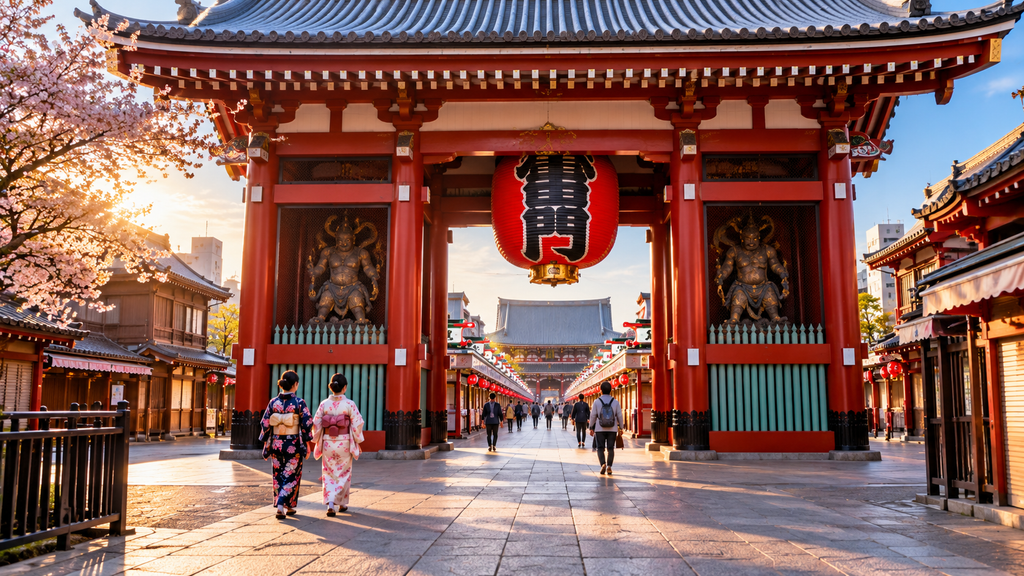
Visit Senso-ji Temple in Asakusa
Senso-ji is one of the most famous places to visit in Tokyo.
It is Tokyo’s oldest Buddhist temple and sits in the historic Asakusa area.
Start at Kaminarimon Gate. Then walk along Nakamise Shopping Street toward the temple.
The street has small shops selling Japanese snacks, souvenirs, and traditional items.
The main temple grounds are free to visit.
Try to arrive early in the morning if you want fewer crowds.
After visiting the temple, explore the smaller streets of Asakusa or walk toward the Sumida River.
Visit Meiji Jingu
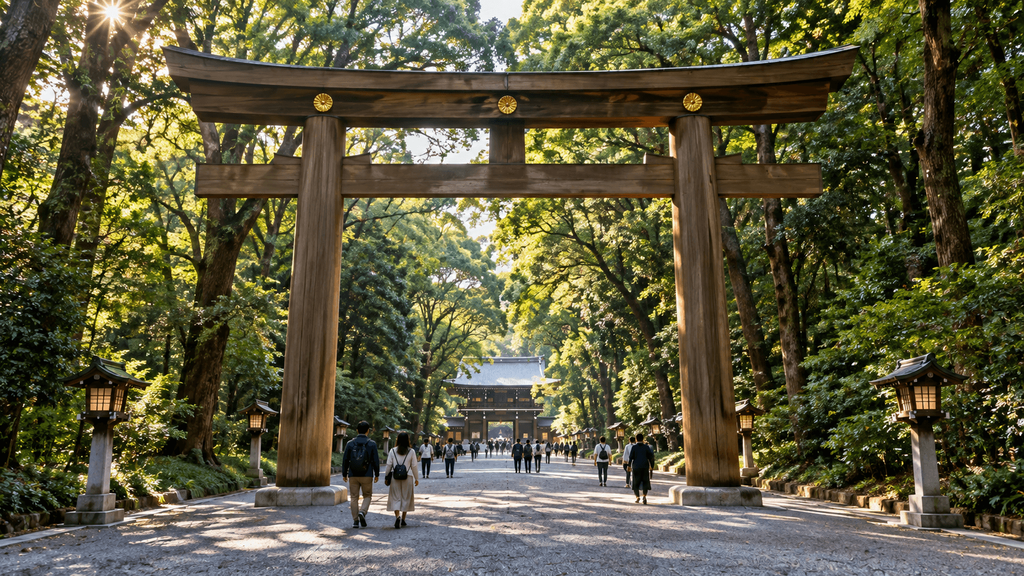
Meiji Jingu offers a peaceful break from busy Tokyo.
The shrine sits inside a large forest beside Harajuku.
Walk under the large torii gates and follow the forest path toward the main shrine.
Entry to the main shrine area is free.
Meiji Jingu is easy to combine with Harajuku, Omotesando, and Shibuya.
Walk Around Harajuku
Harajuku is known for youth fashion, colorful shops, street food, and pop culture.
Start near Harajuku Station.
You can visit Meiji Jingu first and then move toward the busy shopping streets.
Takeshita Street is the most famous part of the neighborhood. However, the nearby side streets also have shops, cafés, and fashion stores.
Experience Shibuya Crossing
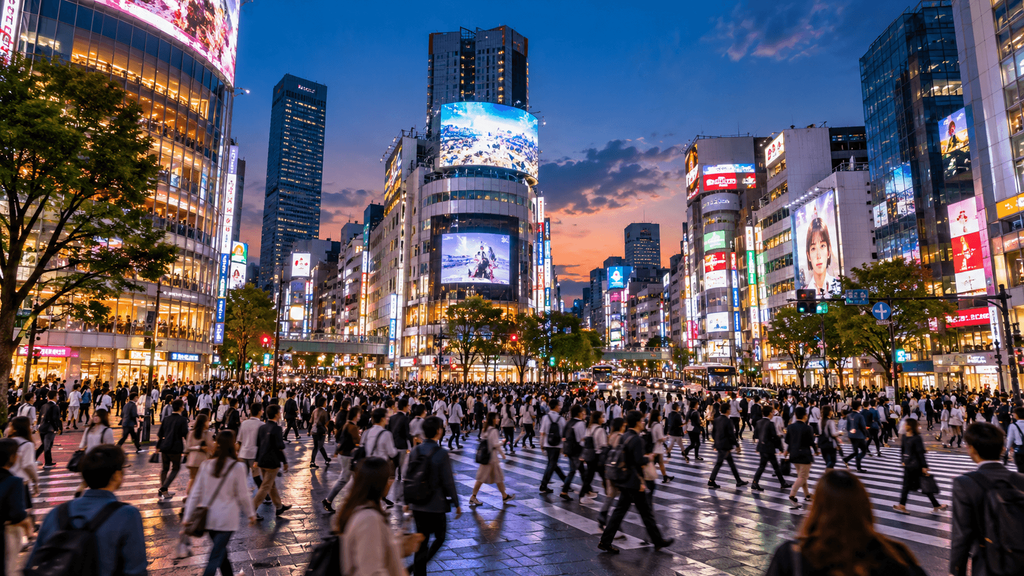
Shibuya Scramble Crossing is one of Tokyo’s best-known sights.
Hundreds of people can cross the intersection from different directions at the same time.
Walk across it at street level first.
Then find a higher viewpoint to see the crossing from above.
Late afternoon is a good time to visit. You can see Shibuya during daylight and stay until the bright signs come on after dark.
See the Hachiko Statue
The Hachiko Statue stands close to Shibuya Station.
It honors Hachiko, a dog remembered in Japan for his loyalty to his owner.
Today, the statue is one of Shibuya’s most popular meeting points.
You only need a few minutes here.
Since it is close to Shibuya Crossing, it is easy to visit both at the same time.
See Shibuya Crossing From Above
The crossing looks very different from above.
Several buildings around Shibuya offer elevated views.
If you want a larger skyline experience, visit Shibuya Sky.
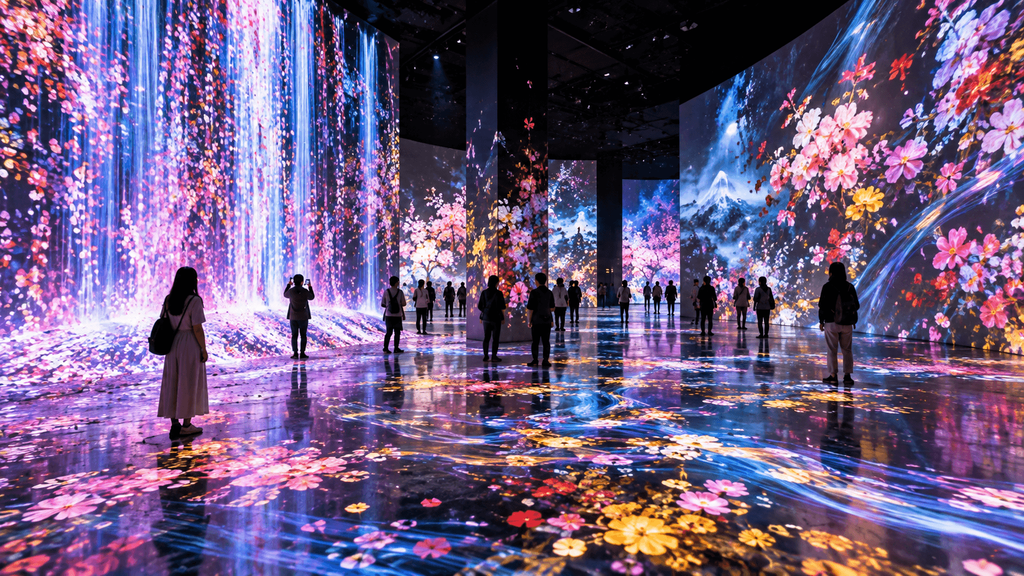
Explore teamLab Borderless
teamLab Borderless is a large digital art museum at Azabudai Hills.
The experience uses light, movement, sound, and interactive technology.
Unlike a traditional museum, there is no simple path from one room to another. You can move between different digital environments and explore at your own pace.
Tickets are date and time specific and can sell out, so booking ahead is a good idea.
Allow around two to three hours if digital art is a major interest.
Explore Akihabara Electric Town
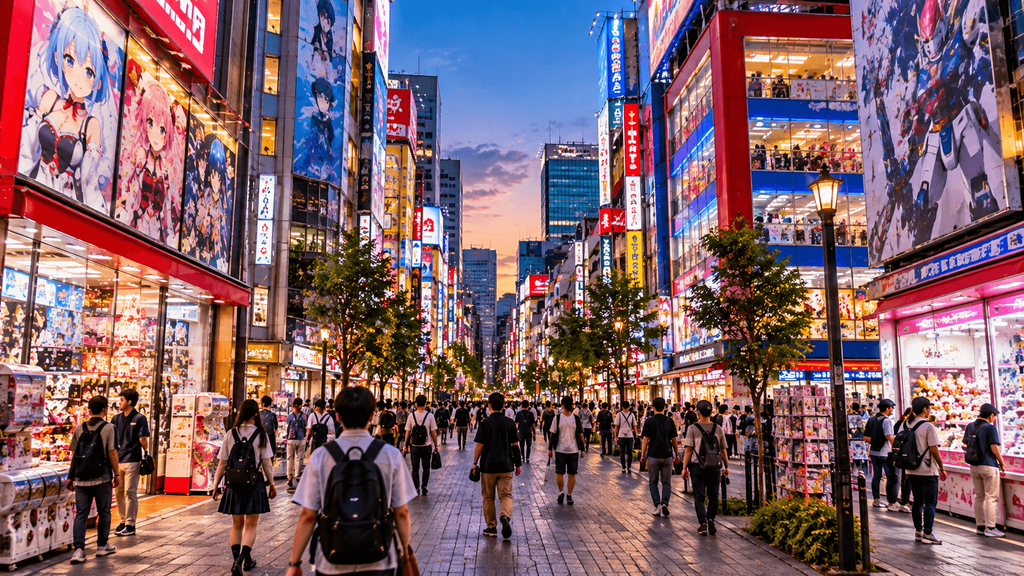
Akihabara is one of the best areas in Tokyo for anime, manga, games, electronics, and collectibles.
Large stores sit beside small specialist shops.
You can browse retro games, anime figures, gachapon machines, electronics, and arcades.
Many interesting stores are located on upper floors, so do not only look at street level.
Akihabara is most rewarding if anime or gaming interests you.
Wander Around Takeshita Street
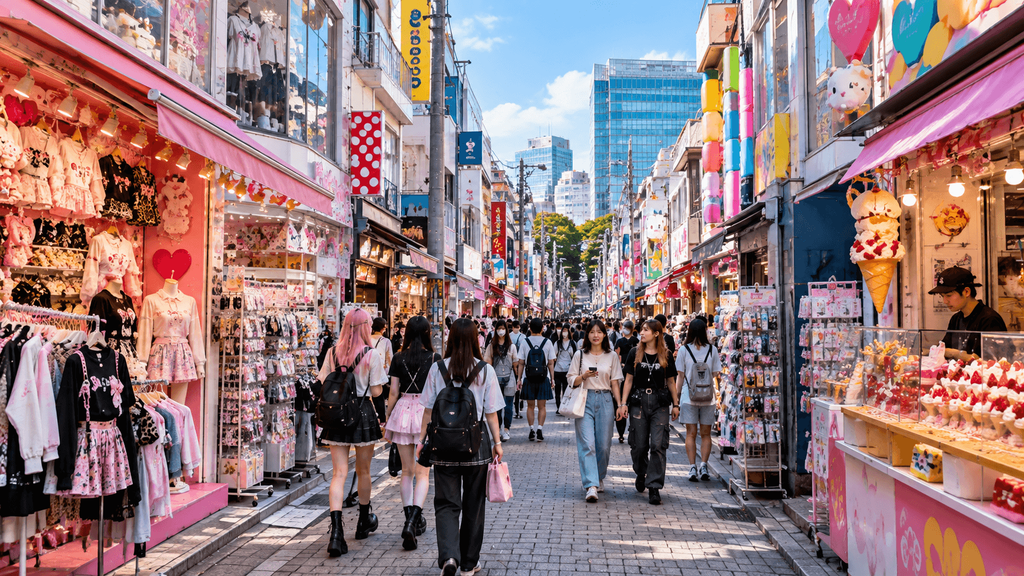
Takeshita Street is one of Harajuku’s busiest shopping areas.
The street is filled with fashion, sweets, accessories, and youth-focused shops.
It can become very crowded.
Visit earlier in the day if you prefer more space.
Afterward, explore nearby Cat Street or Omotesando for a different atmosphere.
Relax at Shinjuku Gyoen National Garden
Tokyo can feel busy and intense.
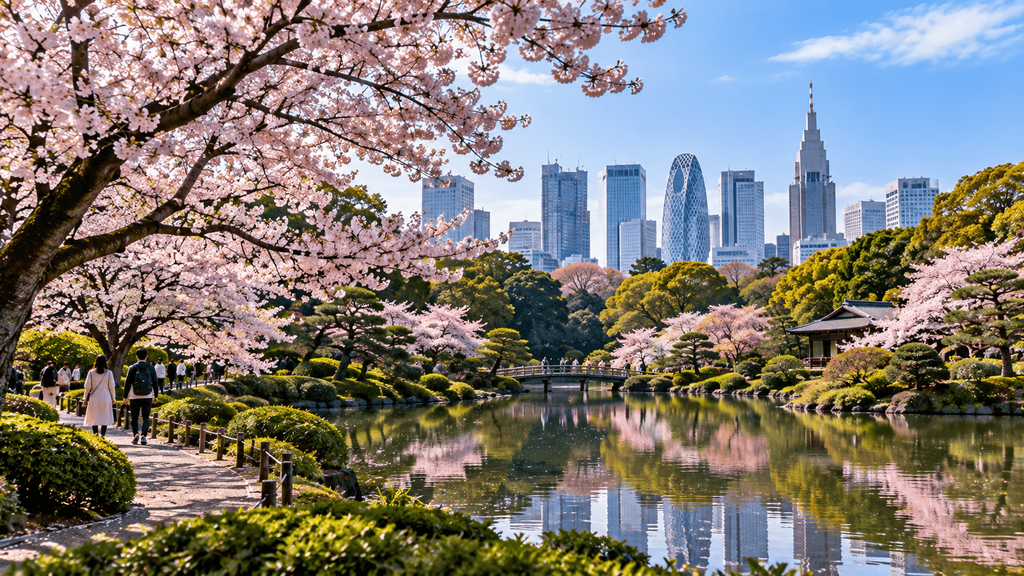
Shinjuku Gyoen National Garden gives you a place to slow down.
The large garden has lawns, trees, landscaped areas, and walking paths.
It is especially popular during cherry blossom and autumn foliage seasons.
Allow one or two hours for a relaxed visit.
Stroll Through Omoide Yokocho
Omoide Yokocho is close to Shinjuku Station.
Its narrow lanes are lined with tiny restaurants and izakaya.
The atmosphere feels very different from the modern towers surrounding Shinjuku.
Visit in the evening when the lanterns are on and restaurants become busier.
Many places have only a few seats.
Stroll Through Golden Gai
Golden Gai is another famous nightlife area in Shinjuku.
It consists of narrow alleys filled with very small bars.
Some bars welcome tourists, while others mainly serve regular customers.
Check the signs and any cover charges before entering.
Golden Gai is best for adults who want to experience Tokyo’s small-bar culture.
Take a Photo With Godzilla
Look above the buildings in Kabukicho and you may notice a giant Godzilla head.
It is a fun photo stop while exploring Shinjuku.
You do not need to plan a separate trip around it.
Simply add it to your Shinjuku walk.
Go Shopping in Ginza
Ginza is one of Tokyo’s best-known shopping districts.
The area has luxury stores, department stores, restaurants, galleries, and modern architecture.
Even if you do not plan to shop, Ginza is worth walking through.
You can easily combine it with Tsukiji Outer Market.
Explore Kappabashi Street
Kappabashi is a great place for travelers who enjoy cooking.
The area is known for kitchen equipment and restaurant supplies.
You can shop for Japanese knives, bowls, chopsticks, cookware, and realistic plastic food models.
Kappabashi is close to Asakusa, so both places work well together.
Visit Jimbocho Book Town
Jimbocho offers a quieter Tokyo experience.
The neighborhood is famous for bookstores, including many shops selling used and specialist books.
It is a good stop for book lovers and travelers who enjoy slower neighborhoods.
See the Torii Gates at Hie-jinja Shrine
Hie-jinja is another shrine worth considering.
Its path of red torii gates is one of its most attractive features.
The shrine can also feel quieter than Tokyo’s most famous religious sites.
Visit Zojo-ji Temple
Zojo-ji is known for its view of Tokyo Tower rising behind the temple.
The scene shows the contrast between traditional and modern Tokyo.
You can easily visit Zojo-ji and Tokyo Tower during the same part of your day.
Explore Shimokitazawa
Shimokitazawa is a good choice if you want to explore beyond Tokyo’s major landmarks.
The neighborhood is known for vintage clothing, record stores, small cafés, live music, and relaxed streets.
It feels different from the high-rise areas of Shibuya and Shinjuku.
Spend a few hours browsing shops and stopping for coffee.
Shimokitazawa is especially good for repeat visitors and travelers interested in Tokyo’s local neighborhoods.
Best Views in Tokyo
Seeing Tokyo from above helps you understand just how large the city is.
You do not need to visit every observation deck.
Choose one based on your route, budget, and the type of view you want.
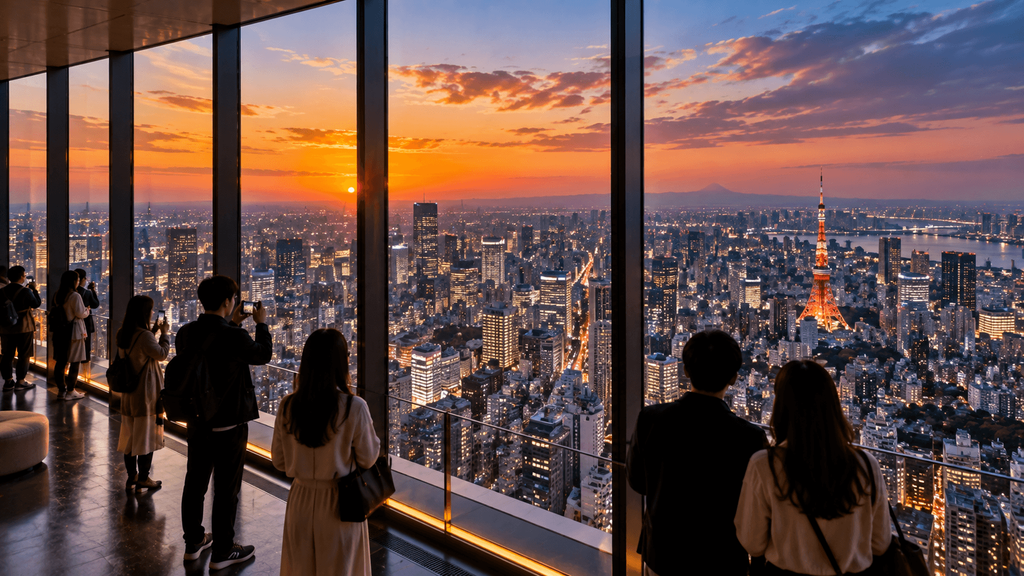
Shibuya Sky
Shibuya Sky is one of Tokyo’s most popular modern viewpoints.
Its location makes it easy to visit while exploring Shibuya.
The outdoor areas offer wide views across the city.
Sunset is especially popular.
Book early if you want a specific sunset or evening time.
Tokyo Skytree
Tokyo Skytree is one of the tallest structures in the world.
Its observation areas offer very high views across Tokyo.
It is located in eastern Tokyo and works well with an Asakusa sightseeing day.
If you already plan to visit another paid observation deck, you may not need both.
Tokyo Tower
Tokyo Tower is one of the city’s classic landmarks.
Its official colors are international orange and white, although they are often described as red and white.
You can visit its observation areas or enjoy views of the tower from surrounding streets.
Zojo-ji Temple is a good place to combine with Tokyo Tower.
Roppongi Hills
Roppongi offers another good Tokyo skyline experience.
The area also has museums, shopping, restaurants, and nightlife.
This makes it useful if you want more than a single observation deck.
Tokyo Metropolitan Government Building
You do not need to pay for every skyline view in Tokyo.
The Tokyo Metropolitan Government Building has observation areas around 202 meters above ground.
Admission is free.
It is a strong option for budget travelers and anyone already exploring Shinjuku.
Which Tokyo Observation Deck Is Best?
Each Tokyo observation deck offers something different.
| Observation Deck | Best For | Area | Cost |
| Shibuya Sky | Open-air views and sunset | Shibuya | Paid |
| Tokyo Skytree | Very high panoramic views | Oshiage | Paid |
| Tokyo Tower | Classic Tokyo landmark | Minato | Paid |
| Tokyo City View | Roppongi skyline experience | Roppongi | Paid |
| Tokyo Metropolitan Government Building | Free skyline views | Shinjuku | Free |
Choose Shibuya Sky for a modern open-air experience.
Choose Tokyo Skytree if height is your priority.
Choose Tokyo Tower for a classic Tokyo landmark.
For a free view, choose the Tokyo Metropolitan Government Building.
Food Experiences in Tokyo
Food is one of the best reasons to visit Tokyo.
Do not limit yourself to famous restaurants.
Some of the best food experiences happen in markets, small ramen shops, cafés, department stores, and local neighborhoods.
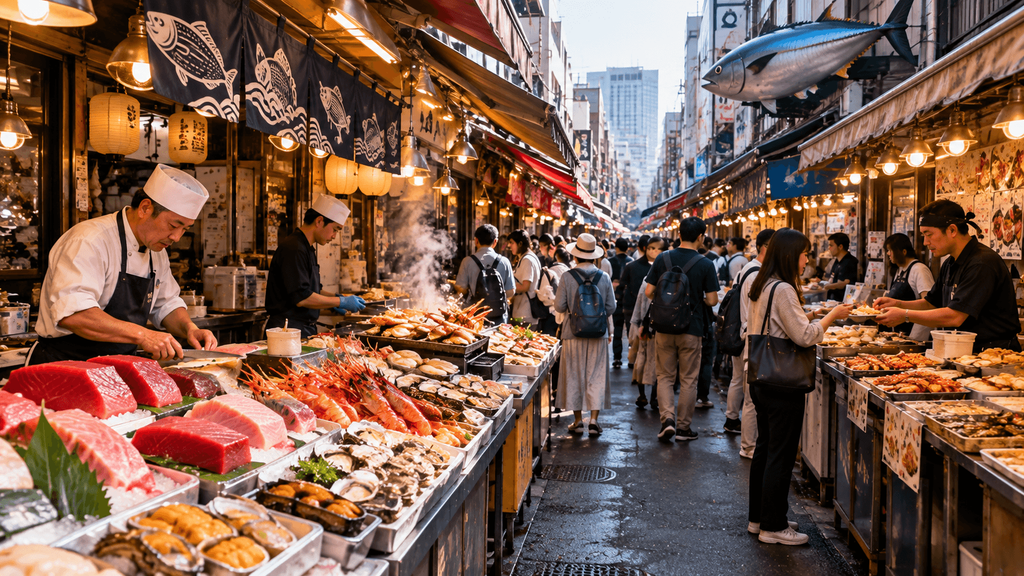
Eat Your Way Through Tsukiji Outer Market
Tsukiji Outer Market is still an active food and shopping area.
The old wholesale market moved to Toyosu, but the outer market continues to operate.
You can try seafood, tamagoyaki, grilled snacks, sweets, and many other Japanese foods.
Visit in the morning because many businesses focus on breakfast and lunch hours.
Take a Food Tour
Tokyo has thousands of places to eat.
A food tour can make the city’s food scene easier to understand.
Tours may focus on sushi, ramen, izakaya, markets, or specific neighborhoods.
Choose one that matches your interests.
Get Conveyor Belt Sushi
Conveyor belt sushi is a simple and fun Tokyo meal.
Some restaurants have plates moving past your seat.
Modern chains may also use touch screens so you can order specific items.
It can be a good introduction to sushi for first-time visitors.
Eat Ramen
Tokyo has countless ramen shops.
Broths can be rich, light, spicy, seafood-based, soy-based, or miso-based.
Do not spend hours searching for the single “best” ramen shop.
Choose a good place near the neighborhood you are already visiting.
Cook Your Own Gyukatsu
Gyukatsu is a breaded beef cutlet.
Some restaurants serve it with a small hot stone or grill.
You can cook each piece a little more before eating it.
This makes the meal more interactive.
Try Different Konbini Foods
Japanese convenience stores are useful throughout your trip.
They sell rice balls, sandwiches, desserts, drinks, noodles, and ready-made meals.
They are good for breakfast, snacks, or a quick late-night meal.
Order a Meal From a Ticket Vending Machine
Many ramen and casual restaurants use meal-ticket machines.
Choose your dish on the machine and pay first.
You then give the ticket to restaurant staff.
The machine does not normally make the food. It simply handles the order and payment.
Try Japanese Desserts
Tokyo has many sweets worth trying.
Look for matcha desserts, mochi, cakes, parfaits, crepes, pancakes, and seasonal treats.
Harajuku is famous for colorful sweets, but good dessert shops can be found across Tokyo.
Take a Sushi-Making Class
A sushi-making class gives you more than a meal.
You can learn basic preparation methods while understanding more about Japanese food culture.
It is also a useful indoor activity on a rainy day.
Visit Local Coffee Shops
Tokyo has an excellent coffee scene.
You will find specialty cafés, small independent shops, traditional kissaten, and large chains.
A café is also a useful place to rest between attractions.
Explore a Japanese Department Store Food Hall
Many Japanese department stores have basement food halls called depachika.
These are different from standard mall food courts.
Depachika are filled with takeaway food, sushi, bento boxes, desserts, snacks, and specialty products.
They are fun to explore even if you only buy a small snack.
Cultural Things to Do in Tokyo
Modern buildings and neon streets are only one side of Tokyo.
Traditional culture remains an important part of the city.
Add at least one cultural experience to your itinerary.
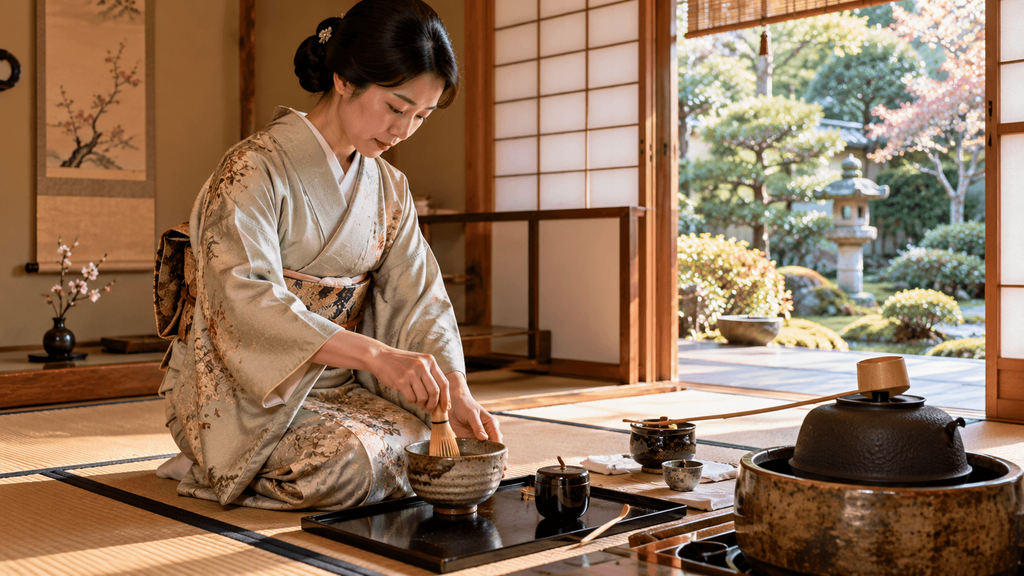
Experience a Traditional Japanese Tea Ceremony
A tea ceremony can introduce you to Japanese customs, matcha, tools, and etiquette.
Some experiences also offer the option to wear a kimono.
Asakusa is a popular area for tea ceremonies.
Choose a trusted provider and check exactly what is included.
See a Professional Sumo Match
Sumo is one of Japan’s most famous sports.
If a major tournament is taking place during your trip, watching professional sumo can be a memorable experience.
Tournament dates are limited.
Check the official schedule and buy tickets early when possible.
Go to a Sumo Wrestling Experience
You may still find sumo-related experiences when no professional tournament is taking place.
These can include demonstrations, tours, or tourist-focused shows.
Understand what you are booking.
A sumo show is different from attending an official professional tournament.
Take Part in Sake Tasting
Sake is a traditional Japanese alcoholic drink made mainly from rice, water, yeast, and koji.
A tasting can introduce you to different styles and flavors.
An organized experience is useful if you want someone to explain the differences.
Eat a Meal With a Local
Food can also help you understand everyday culture.
Some experiences allow travelers to eat, cook, or explore a neighborhood with a Tokyo resident.
This can show you a side of the city that major tourist attractions cannot.
Fun and Unique Things to Do in Tokyo
Tokyo has many experiences that feel different from sightseeing in other cities.
Try Street Karting in Tokyo
Street karting has become popular with some international visitors.
However, these karts operate on real public roads.
You must meet current driving-license and legal requirements.
Use a licensed operator and check the latest rules before booking.
Snap a Photo in a Purikura
Purikura are Japanese photo booths.
You take photos and then edit them with effects, text, and decorations.
They are often found in arcades and entertainment centers.
Get Trinkets From Gachapon Machines
Gachapon machines sell small capsule toys.
Some Tokyo stores contain hundreds or even thousands of machines.
Prizes can include anime figures, miniature food, animals, and unusual collectibles.
Play Games at an Arcade
Japanese arcades offer rhythm games, racing games, claw machines, fighting games, and more.
Akihabara, Shinjuku, Shibuya, and Ikebukuro are good places to find them.
Shop at MEGA Don Quijote
Don Quijote stores sell a huge range of products.
You can find Japanese snacks, cosmetics, souvenirs, electronics, clothes, and travel items.
The large Shibuya store is especially popular with tourists.
See Tokyo Night & Light
The Tokyo Metropolitan Government Building hosts large projection-mapping displays on selected evenings.
Schedules and show times can change.
Check the latest program before visiting.
It is easy to combine the show with the building’s free observation deck and a night in Shinjuku.
Go to a Japanese Baseball Game
Baseball is one of Japan’s most popular sports.
A game is about more than what happens on the field.
Crowd chants, team songs, stadium food, and merchandise are part of the experience.
Check the season schedule before your trip.
Experience the Art Aquarium
The Art Aquarium in Ginza combines goldfish displays with lighting, sound, and artistic design.
It is a useful indoor attraction when exploring Ginza.
Stay in a Capsule Hotel
Capsule hotels replace standard rooms with small sleeping spaces.
They can be fun for one night.
However, check luggage storage, bathroom arrangements, and house rules before booking.
They are not ideal for every traveler.
Stay in a Ryokan
A ryokan offers a more traditional Japanese accommodation experience.
Features may include tatami floors, futons, Japanese-style rooms, and traditional meals.
Tokyo has fewer classic ryokan than some smaller Japanese destinations, but you can still find traditional stays.
Best Things to Do in Tokyo at Night
Tokyo changes after sunset.
Bright signs turn on, restaurants become busy, and observation decks show thousands of city lights.
Nighttime is one of the best times to experience Tokyo.
Explore Shinjuku at Night
Shinjuku is packed with restaurants, shops, bars, karaoke venues, and entertainment areas.
Walk around Kabukicho and the streets near Shinjuku Station.
The area feels very different after dark.
Go on an Izakaya Tour
An izakaya is a Japanese-style pub that serves drinks and small dishes.
A guided izakaya tour can help first-time visitors understand what to order.
It can also make small local restaurants easier to approach.
Explore Golden Gai
Golden Gai is most atmospheric after dark.
Its tiny bars and narrow alleys offer a very different experience from large clubs.
Some establishments charge cover fees.
Check before entering.
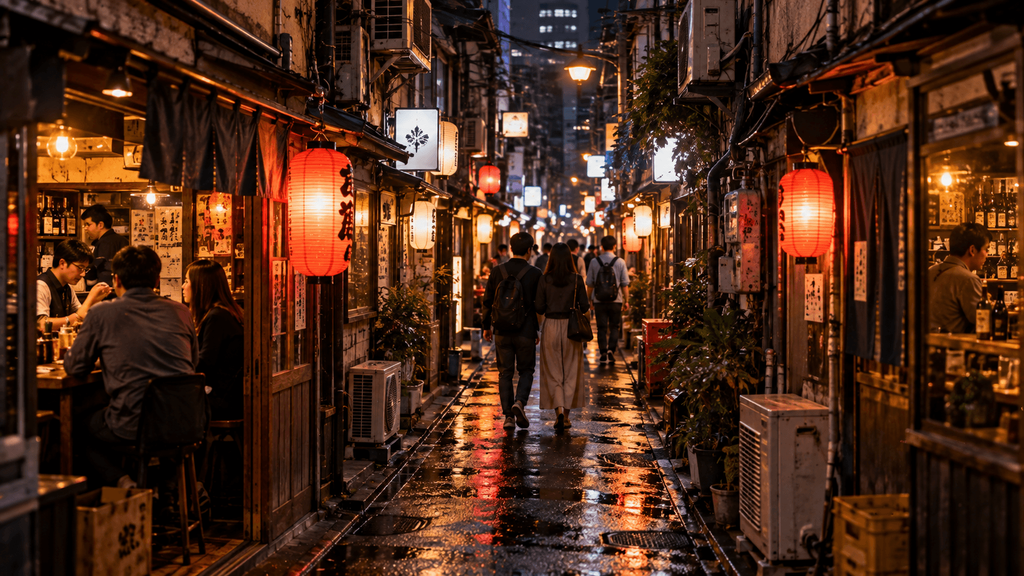
Visit Omoide Yokocho
Omoide Yokocho is another good evening stop.
Lanterns, smoke from grills, tiny restaurants, and narrow lanes create a memorable Tokyo scene.
Watch Sunset From an Observation Deck
Try to arrive before sunset.
You can see Tokyo during daylight, watch the sun go down, and then see the city after dark.
This gives you several different views in one visit.
Best Free Things to Do in Tokyo
Tokyo can be expensive, but many famous experiences cost nothing.
Visit Senso-ji Temple
Walking through Kaminarimon, Nakamise, and the main temple grounds is free.
Walk Through Meiji Jingu
The main shrine grounds and forest paths are free to enter.
Cross Shibuya Crossing
One of Tokyo’s most famous experiences costs nothing.
Visit during the day and again at night if you have time.
Explore Harajuku
Takeshita Street, Cat Street, and the surrounding neighborhood are free to explore.
Walk Around Akihabara
You can enjoy the signs, electronics shops, anime stores, and street atmosphere without buying anything.
Visit the Tokyo Metropolitan Government Building
The observation decks offer free views from around 202 meters above Tokyo.
Watch Tokyo Night & Light
When scheduled, the projection-mapping show at the Tokyo Metropolitan Government Building is another free evening activity.
Best Things to Do in Tokyo on a Rainy Day
Rain does not have to ruin your Tokyo itinerary.
The city has many excellent indoor experiences.
Visit teamLab Borderless
The digital art museum is indoors and works well during wet weather.
Visit teamLab Planets
teamLab Planets is in Toyosu near Shin-Toyosu Station.
It offers a more physical and sensory art experience, including installations designed around water and full-body immersion.
Explore the Art Aquarium
The indoor Ginza attraction works well when outdoor sightseeing is difficult.
Play Games at an Arcade
Spend an hour or two in one of Tokyo’s large gaming centers.
Explore a Depachika
Japanese department store food halls let you explore food while staying indoors.
Take a Sushi-Making or Tea Ceremony Class
Classes offer an indoor activity that also introduces you to Japanese culture.
Go Shopping
Ginza, Shinjuku, Shibuya, and Tokyo Station have large indoor and underground shopping areas.
teamLab Borderless vs teamLab Planets
Tokyo has two famous teamLab experiences.
They are not the same.
| Feature | teamLab Borderless | teamLab Planets |
| Location | Azabudai Hills | Toyosu |
| Style | Free-flowing digital spaces | Physical and sensory experience |
| Best For | Exploring freely | Immersive installations |
| Suggested Time | Around 2–3 hours | Around 1.5–2 hours |
| Book Ahead | Yes | Yes |
Borderless is better if you want to wander between different digital spaces.
Planets is better if you want a more physical experience that includes walking through water-based and immersive installations.
You do not need to visit both unless digital art is a major part of your trip.
Best Things to Do in Tokyo With Kids
Tokyo offers many activities for families.
The best option depends on the age and interests of your children.
Visit Tokyo Disneyland or DisneySea
Tokyo Disney Resort is in Urayasu, Chiba Prefecture, just outside Tokyo.
Tokyo Disneyland offers a classic Disney park experience.
DisneySea has a different theme and several experiences unique to Japan.
Plan most of a day for either park.
Visit the Ghibli Museum
Studio Ghibli fans may enjoy the Ghibli Museum in Mitaka.
Tickets must be purchased in advance. The museum does not sell admission tickets at the entrance.
Explore teamLab
Colorful digital installations can appeal to both adults and children.
Try Gachapon Machines
Capsule toys are an easy and inexpensive activity.
Visit an Arcade
Families can try racing games, rhythm games, and claw machines.
Explore Tokyo Skytree
The observation areas offer wide city views.
The surrounding Tokyo Solamachi complex also has shops, restaurants, and other attractions.
Tokyo Attractions for Anime and Entertainment Fans
Tokyo is one of the world’s best destinations for anime, manga, gaming, theme parks, and Japanese entertainment.
Explore Akihabara Electric Town
Take your time inside the stores.
Many specialist shops are on higher floors.
Play Games at an Arcade
Try a rhythm, racing, fighting, or claw-machine game that you may not find at home.
Visit the Ghibli Museum
The Ghibli Museum is a popular stop for fans of Studio Ghibli.
All admission requires an advance reservation.
Plan this part of your trip before arriving in Japan.
Spend a Day at Tokyo Disneyland or DisneySea
Either park normally requires most of a day.
Do not try to combine Disney with a full day of central Tokyo sightseeing.
Tokyo Attractions You Should Book in Advance
Some of Tokyo’s most popular attractions can sell out.
Book important experiences before your trip if you have fixed travel dates.
| Attraction | Book Ahead? | Why |
| Ghibli Museum | Required | Advance reservation only |
| Shibuya Sky | Strongly recommended | Popular time slots can sell out |
| teamLab Borderless | Strongly recommended | Timed tickets may sell out |
| teamLab Planets | Strongly recommended | Timed admission |
| Tokyo Disneyland or DisneySea | Recommended | Makes park planning easier |
| Sumo tournaments | Recommended | Limited event dates and seats |
| Food and cultural classes | Recommended | Small group sizes |
Ghibli Museum is the clearest example. Entry is strictly by advance reservation.
teamLab Borderless also uses date and time-specific admission, and tickets can sell out.
If your first-choice attraction is sold out, look for an alternative instead of changing your whole itinerary.
What Tokyo Attractions Can You Combine?
Tokyo is huge.
Grouping nearby attractions will save a lot of time.
Shibuya, Harajuku and Meiji Jingu
Start at Meiji Jingu.
Then explore Harajuku.
Finish in Shibuya with Shibuya Crossing and, if booked, Shibuya Sky.
Asakusa and Kappabashi
Visit Senso-ji and Nakamise first.
Then head toward Kappabashi for kitchenware, knives, and Japanese cooking tools.
Shinjuku Gyoen and Shinjuku Nightlife
Visit Shinjuku Gyoen during the day.
Later, explore the Tokyo Metropolitan Government Building, Omoide Yokocho, Golden Gai, and Kabukicho.
Tsukiji and Ginza
Start your morning at Tsukiji Outer Market.
Then walk toward Ginza for shopping, cafés, department stores, and the Art Aquarium.
Zojo-ji and Tokyo Tower
Visit Zojo-ji before walking to Tokyo Tower.
The two places offer a strong contrast between traditional and modern Tokyo.
Akihabara and Jimbocho
Explore anime, gaming, and electronics in Akihabara.
Then continue to Jimbocho if you enjoy books and quieter streets.
How Much Time Do You Need at Tokyo’s Top Attractions?
These time estimates can help you build a realistic itinerary.
| Attraction | Suggested Time |
| Senso-ji and Nakamise | 1–2 hours |
| Meiji Jingu | 1–2 hours |
| Harajuku | 1–3 hours |
| Shibuya | 2–3 hours |
| Shibuya Sky | 1–2 hours |
| teamLab Borderless | 2–3 hours |
| Tokyo Skytree | 1.5–2 hours |
| Tsukiji Outer Market | 1–2 hours |
| Akihabara | 2–4 hours |
| Shinjuku Gyoen | 1–2 hours |
| Ginza | 2–4 hours |
| Tokyo Disneyland or DisneySea | Full day |
These are planning estimates, not fixed limits.
Shopping, meals, crowds, and personal interests can change how long you stay.
Take a Day Trip From Tokyo
Tokyo has enough attractions to fill an entire vacation.
However, it is also a useful base for exploring nearby destinations.
See our full guide to the best day trips from Tokyo for more options.
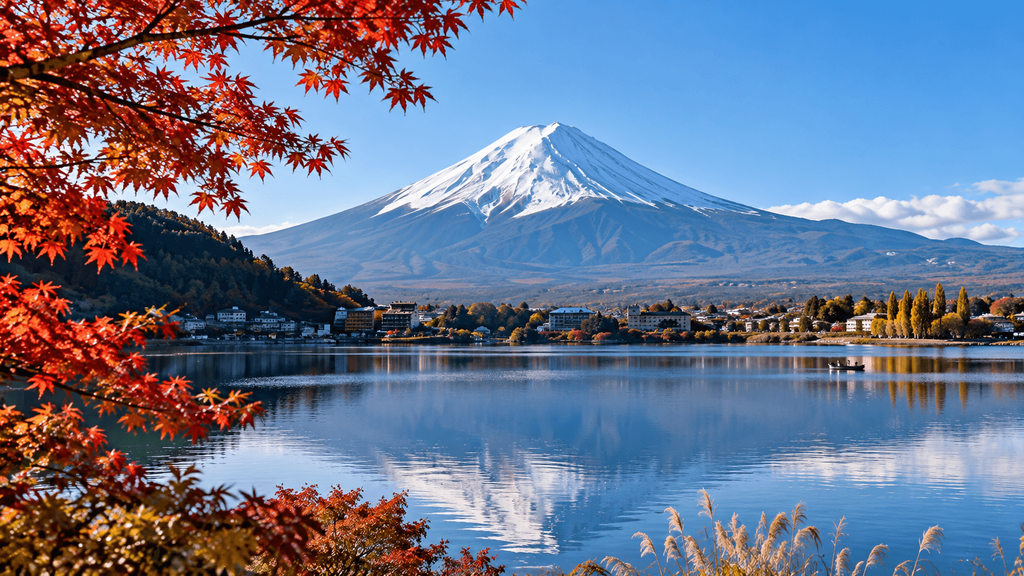
Mount Fuji
Mount Fuji is one of Japan’s most famous sights.
Several areas around the region offer views of the mountain.
Visibility depends on weather.
Check the forecast before choosing a day trip focused on Fuji views.
Hakone
Hakone is known for mountain scenery, hot springs, museums, and possible Mount Fuji views.
It is a good option if you want a break from Tokyo.
A day trip is possible, although staying overnight gives you more time.
Mount Takao
Mount Takao is closer to central Tokyo.
It is popular for hiking, nature, and seasonal scenery.
It works well if you want outdoor time without traveling far.
Where to Stay in Tokyo
Where you stay can make sightseeing much easier.
For a first visit, choose an area with good train connections.
Shinjuku, Shibuya, and Ginza are three popular choices — see our full where to stay in Tokyo guide for area-by-area picks.
Shinjuku
Shinjuku is convenient for transport, restaurants, nightlife, and shopping.
It is also useful for some day trips.
However, Shinjuku Station is huge and can feel confusing at first.
Shibuya
Shibuya is a good choice for nightlife, shopping, restaurants, and western Tokyo sightseeing.
Harajuku and Omotesando are close.
Ginza
Ginza offers a more polished atmosphere.
It is well located for Tokyo Station, Tsukiji, and central Tokyo.
Hotels may cost more, but transport links are strong.
What to Know Before Visiting Tokyo
A little planning will make Tokyo much easier to explore.
Getting Around Tokyo
Tokyo has an excellent network of trains, subways, and buses.
IC cards such as Suica and PASMO make local travel easier.
Do not travel across the city repeatedly in the same day.
Group nearby neighborhoods instead.
Getting to Tokyo From Narita International Airport
Narita Airport is outside central Tokyo.
Train and bus services connect it with the city.
Choose your transfer based on your hotel location rather than simply choosing the fastest train.
Getting to Tokyo From Haneda Airport
Haneda Airport is much closer to central Tokyo.
Rail, monorail, bus, and taxi options are available.
For many visitors, the shorter distance makes Haneda easier.
Are Credit Cards Accepted in Tokyo?
Cards are widely accepted at hotels, department stores, major restaurants, and attractions.
However, smaller businesses may still use cash.
Carry some Japanese yen instead of depending only on cards.
When Is the Best Time to Visit Tokyo Attractions?
Different attractions are best at different times.
Visit temples and busy outdoor areas early in the morning.
Use afternoons for museums and shopping.
Visit observation decks around sunset.
Explore Shibuya and Shinjuku after dark.
Weekends and public holidays are often busier.
Are Restaurant Reservations Required in Tokyo?
No.
Many ramen shops, cafés, sushi chains, and casual restaurants accept walk-ins.
However, famous restaurants and fine-dining places may need advance bookings.
Reserve early if one specific restaurant is important to your trip.
Best Time to Visit Tokyo
Tokyo is a year-round destination.
Each season offers something different.
Spring
Spring is famous for cherry blossoms.
It is beautiful but also one of the busiest periods.
Summer
Summer is hot and humid.
However, festivals and seasonal events make it an interesting time to visit.
Autumn
Autumn brings cooler temperatures and colorful leaves.
It is one of the most comfortable seasons for walking.
Winter
Winter is colder but often brings clear days.
It can be a good season for skyline views.
For a season-by-season breakdown across the whole country, check our best time to visit Japan guide.
There is no perfect month for everyone.
Choose your dates based on weather, crowds, budget, and the activities you want to do.
💴 Daily Sightseeing Budget in Tokyo (Per Person)
| Style | Attractions & Entry | Food | Daily Total |
|---|---|---|---|
| Budget | Mostly free (temples, shrines, walking) | Konbini + ramen shops | $25–$40 |
| Mid-Range | 1 paid attraction (Skytree/Shibuya Sky) | Casual restaurants | $60–$90 |
| Luxury | teamLab + multiple paid experiences | Fine dining, food tours | $150+ |
Excludes hotel and transport. Prices are estimates and can change.
What to Do in Tokyo by Trip Length
If Tokyo is one stop on a longer trip, see our Japan 7 Day Itinerary for a full route
Do not try to see everything.
Choose your priorities based on how many days you have.
One Day in Tokyo
Focus on one part of the city.
Meiji Jingu, Harajuku, Shibuya, and Shinjuku can work well together.
Two Days in Tokyo
Spend one day in western Tokyo.
Use the second day for Asakusa, Akihabara, or central Tokyo.
Three Days in Tokyo
Add one major booked attraction such as teamLab, Shibuya Sky, or Tokyo Skytree.
Leave time for food and nightlife.
Four to Five Days in Tokyo
Slow down.
Add Ginza, Shimokitazawa, Tsukiji, museums, cultural experiences, and more food stops.
Six to Seven Days in Tokyo
Consider a day trip to Hakone, Mount Takao, or a Mount Fuji viewing area.
You can also explore smaller Tokyo neighborhoods at a slower pace.
Frequently Asked Questions
What Are the Best Things to Do in Tokyo for First-Time Visitors?
Start with Senso-ji, Meiji Jingu, Shibuya Crossing, Shinjuku, and one observation deck.
Then add an experience based on your interests.
That could be teamLab, Akihabara, Tsukiji, sumo, a tea ceremony, or Tokyo Disney.
How Many Days Should I Spend in Tokyo?
Three to five days works well for many first-time visitors.
Three days gives you time for major highlights.
Five days allows you to explore more neighborhoods and move at a slower pace.
If you’re planning multiple cities, see how many days you need in Japan overall
Is Tokyo Hard to Navigate Without Speaking Japanese?
Tokyo is manageable without speaking Japanese.
Major stations use English signs.
Many ticket machines also offer English options.
Map and translation apps can make travel much easier.
Learning a few simple Japanese phrases is still helpful.
What Is the Best Way to Get Around Tokyo?
Trains and subways are usually the easiest choice.
Use an IC card for simple payment.
Walking is also important because many interesting places are between stations.
Is Tokyo Expensive?
Tokyo can be expensive, but it does not have to be.
Luxury hotels and high-end restaurants can cost a lot.
However, temples, shrines, neighborhoods, parks, and some viewpoints are free.
Ramen shops, convenience stores, and casual restaurants can also help keep food costs lower.
For a full budget breakdown, see How Much Does a Japan Trip Cost.
Is Japan Easy to Travel Independently?
Yes.
Japan has strong public transport and good connections between major cities.
Tokyo may look confusing at first because of its size.
Once you understand the train system and group attractions by neighborhood, it becomes much easier.
Do I Need a Japan Rail Pass for Tokyo?
Usually, you should not buy a nationwide Japan Rail Pass only for sightseeing around Tokyo.
Tokyo has many JR, subway, and private railway lines.
An IC card is often more practical for local trips.
A Japan Rail Pass may make more sense if your wider Japan itinerary includes enough eligible long-distance train travel.
Final Thoughts
The best things to do in Tokyo are not limited to famous tourist attractions.
Yes, places such as Senso-ji, Shibuya Crossing, Meiji Jingu, and Tokyo’s observation decks are worth considering.
However, smaller experiences can be just as memorable.
Eat ramen at a local shop. Explore a depachika. Walk through a quiet shrine. Play a game in an arcade. Visit a neighborhood café. Stay out long enough to see Tokyo after dark.
Most importantly, do not rush across the city just to check places off a list.
Choose activities that match your interests. Group nearby attractions together. Book important experiences in advance. Leave some free time in your schedule.
Tokyo is best enjoyed when you have enough time to experience each neighborhood instead of simply passing through it.
Planning to visit more of Japan? Don’t miss our guide to the Best Things to Do in Kyoto.