
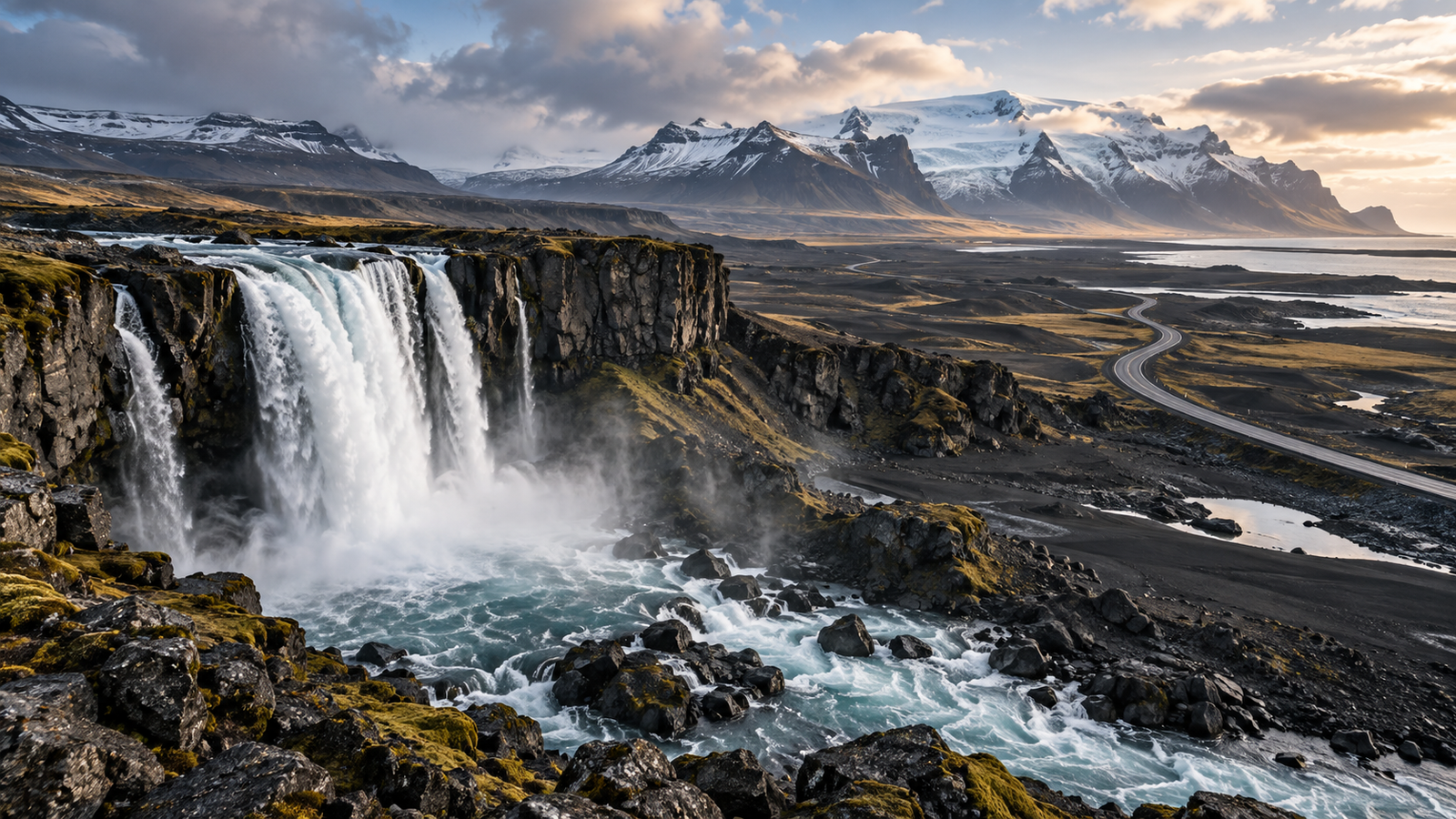

Looking for the best things to do in Iceland? You are in the right place. Iceland is small, but it packs in a lot. In one trip, you can walk behind a waterfall, snorkel between two continents, and soak in a hot lagoon.
The best things to do in Iceland are the Golden Circle, the South Coast waterfalls, Reynisfjara black sand beach, a glacier hike, and the Northern Lights (September to April). Whale and puffin tours and a geothermal lagoon also top most lists. Reykjavik adds great museums, food, and city views.
Key Takeaways
- Top must-dos: The Golden Circle, the South Coast waterfalls and Reynisfjara, a glacier walk, the Northern Lights, and a geothermal lagoon.
- Best time to visit: June to August for road trips, puffins, and the midnight sun. September to April for the Northern Lights.
- How many days: At least 4 to 5 days for Reykjavik, the Golden Circle, and the South Coast. Plan 7 to 10 days for the full Ring Road.
- Budget: A 5-day trip costs about $1,000 per person on a tight budget, or about $2,250 at mid-range.
- Getting around: Rent a car if you are a confident driver or travel in a group. Choose guided tours if you travel solo or visit in winter.
Part of our Iceland Travel Guide
Destinations › Europe › Iceland. Browse all our Iceland itineraries and road trip guides.
This guide covers 31 top experiences. It also shows 2026 costs in US dollars, when to go, and where to stay. So, whether this is your first trip or your third, you will find something new.
Editor note (author experience): add 2 to 3 sentences here about your own Iceland trip. Say when you went, what you did, and one personal tip. Also, use your own photos throughout the article.
| Experience | Best for | Season | Cost (USD) | Time from Reykjavik |
|---|---|---|---|---|
| Golden Circle | First-time visitors | All year | Free to drive; tours from $90 | 45 min to the first stop; loop takes 6–8 hours |
| South Coast waterfalls and Reynisfjara | Scenery lovers | All year | Free; day tours $190–$250 | 2–3 hours |
| Glacier walk (Sólheimajökull) | Adventure seekers | All year | $120–$200 | About 2 hours (near Skógafoss) |
| Northern Lights | Couples, winter trips | September–April | Free on your own; tours $70–$190 | Tours leave from Reykjavik |
| Silfra snorkeling | Adventure seekers | All year | $130–$220 | 45 minutes |
| Blue Lagoon | Relaxing, layovers | All year | Lagoon entry $40–$150 | 45 minutes |
| Jökulsárlón and Diamond Beach | Multi-day trips | All year; boat tours spring–fall | Free from the shore | 5–6 hours |
| Whale watching (Húsavík) | Families, wildlife fans | All year | $100–$130 | North Iceland; boats also leave Reykjavik |
| Westman Islands puffins | Wildlife fans | May–August | Ferry plus tour | About 2-hour drive plus 35–45 min ferry |
| Reykjavik sights (Hallgrímskirkja, Perlan) | Everyone | All year | Free to about $55 | In the city |
How to Reach Iceland
Getting to Iceland from the US is easy. Many airlines fly direct from big hubs like New York, Boston, and Chicago. The flight from Boston takes about five hours. Even from Seattle, it is only about seven and a half hours.
All international flights land at Keflavik Airport. However, the airport is far from the capital. Reykjavik is about a 45-minute drive away.
Taxis are very expensive. In fact, a taxi to the city can cost up to $200. Instead, take the Flybus airport shuttle. It is the cheapest and simplest way into town. Also, the Blue Lagoon sits between the airport and the city. So, many travelers stop there on arrival or departure day.
Tip: Iceland makes a great stopover. Some airlines let you add a few days here on the way to Europe.
Entry rules: US citizens can visit Iceland without a visa for up to 90 days. Iceland is part of Europe’s new ETIAS travel permit system. However, ETIAS is not live yet and now looks set for 2027. So, check the official ETIAS site before you fly.
What You Need to Decide First
Before you book anything, make two big choices. First, decide how you will get around. Second, set a realistic budget.
Road Trip vs Guided Tour
This is the biggest question for first-time visitors. Both options work well. The right choice depends on your budget and how you feel about driving.
A road trip gives you full control. You can stop wherever you like and stay as long as you want. On the other hand, you must handle car rental, insurance, and sometimes icy roads.
A guided tour removes the stress. Someone else drives, plans, and explains what you see. Also, tours booked early can be good value, especially for solo travelers.
Here is a quick way to decide:
- Pick a road trip if you are a confident driver, travel in a group, or visit in summer.
- Pick guided tours if you travel solo, visit in winter, or prefer not to drive on snow.
Car rental costs about $50 to $100 per day, plus fuel. Day tours cost about $70 to $150 per person, depending on the route.
| Factor | Road trip | Guided tour |
|---|---|---|
| Cost | $50–$100 per day for the car, plus fuel and parking | $70–$150 per person, per day |
| Cheaper for | Groups sharing one car | Solo travelers |
| Flexibility | Full control; stop anywhere | Fixed route and schedule |
| Winter safety | You drive on snow and ice | A local driver handles the roads |
| Planning | You handle rental, insurance, and routes | Everything is planned for you |
| Best for | Confident drivers, groups, summer trips | Solo travelers, winter trips, non-drivers |
Take a Road Trip
Iceland is small enough to explore by car. Summer is the easiest time, because the weather is milder and the days are long. The main route is the Ring Road, which loops around the whole island.
For example, you can drive from Reykjavik to Djupivogur in the east in under seven hours. The coastal views along the way are stunning.
Before you set off each day, check road conditions on road.is and the weather on vedur.is. Also, never drive off marked roads. It damages the land, and it is illegal.
How Expensive Is Iceland Really?
Short answer: very. Food, hotels, and tours all cost more than in most of the US.
Still, you can save money. Here is how:
- Cook some meals or shop at supermarkets.
- Stay outside central Reykjavik, or rent a campervan.
- Book one or two paid activities per day, not everything.
- Enjoy the free sights, like waterfalls, beaches, and hikes.
You will find a full cost breakdown in the budget section below.
Best Things to Do in Iceland
Here are the 31 best things to do in Iceland. They fall into four groups: Reykjavik, day trips, food, and places beyond Reykjavik. That way, you can plan around where you stay.
Classic Things to Do in Reykjavik
Reykjavik is small, walkable, and full of character. Most trips start and end here, so give the city at least one full day.
1. Wander Through Downtown Reykjavik
Start your trip with a slow walk downtown. The city has fewer than 150,000 people, so it feels like a big town. There are almost no chain stores. Instead, you will find local boutiques, cafes, and bars along Laugavegur, the main street.
Next, stroll to the Old Harbour. Then see the glass walls of Harpa Concert Hall. Finally, stop at the Sun Voyager, a steel sculpture shaped like a Viking ship.
2. Visit Hallgrímskirkja, Reykjavík’s Landmark Church
You can see this tall white church from almost anywhere in the city. Basalt columns in nature inspired its design. At 74.5 meters (244 feet), it is the largest church in Iceland.
Entry to the church is free. However, the elevator to the tower costs about 1,500 ISK, or around $11. The view from the top is one of the best in Reykjavik.
3. Take a Photo at Rainbow Street
Rainbow Street (Skólavörðustígur) is a brightly painted road. It leads straight up to Hallgrímskirkja. As a result, it is one of the most popular photo spots in town. Come early or late in the day to beat the crowds and get softer light.
4. Go to Perlan
If you only visit one museum, choose Perlan. It shows a short film about the Northern Lights. It also has hands-on exhibits about glaciers and volcanoes, plus an indoor ice cave. So, it is great for kids and for anyone who can’t join a real ice cave tour.
Tickets cost about $55. Afterward, head up to the deck for wide city views.
5. Go to the Lava Show
At the Lava Show, real molten lava flows just a few feet from your seat. You can’t see anything like it anywhere else in the world. The original show is in Vík. However, the Reykjavik location is easier to reach if you stay in the city. Tickets cost about $54.
6. Explore the Icelandic Phallological Museum
This is Reykjavik’s most unusual museum. It holds over 200 specimens from animals like whales and seals. It sounds silly, but it is also surprisingly scientific. Entry costs about $30.
7. Use the Reykjavik City Card
The City Card is a smart buy if you plan to see a lot. It covers several museums and the city’s geothermal pools. It also includes free city buses and 10% off Perlan. A 48-hour card costs about $53.
8. Shop for Knits Without Overpaying
An Icelandic wool sweater is the classic souvenir. However, new sweaters are pricey. For better deals, try Kolaportið Flea Market, which opens on weekends. The Red Cross stores also sell second-hand knits. For new wool, visit the Handknitting Association of Iceland.
9. Visit Iceland and Taste the Saga
Taste the Saga is a fun tour of the Ölgerðin brewery. You learn the wild story of alcohol in Iceland. For example, Iceland banned beer until 1989. Because of that, locals found some very creative ways around the rules. Even people who don’t drink beer tend to love it.
10. Sky Lagoon
Sky Lagoon is a modern geothermal spa close to the city. Its main draw is a seven-step ritual. It mixes a warm soak, a cold plunge, and a sauna. Also, the infinity edge looks right out over the ocean.
It is only about 15 minutes by car from downtown, and parking is free. Without a car, book a ticket with a shuttle transfer. The public bus takes about 40 to 50 minutes.
Day Trips from Reykjavik
Many visitors stay in Reykjavik and take day trips. This works well on a short visit. However, it limits how far you can go. The trips below fit best with a Reykjavik base.
11. Do the Golden Circle Loop
The Golden Circle is Iceland’s most famous route. The loop is about 186 miles (300 km) and takes six to eight hours. You can drive it yourself or join a tour. Tours start at about $90 per person.
Here are the main stops:
Thingvellir National Park. Here, the North American and Eurasian plates are slowly pulling apart. Vikings also founded one of the world’s first parliaments here in 930 AD. Today, it is a UNESCO World Heritage Site, about 45 minutes from Reykjavik.
Geysir and Strokkur. Geysir gave its name to every geyser on Earth. It rarely erupts now. However, nearby Strokkur shoots water 15 to 20 meters (50 to 65 feet) high, and sometimes higher, every 5 to 10 minutes.
Gullfoss. This two-step waterfall plunges into a deep canyon. Wide paths give great views from above and beside the falls.
Kerið Crater. This red volcanic crater holds a bright blue lake. A short walk takes you around the rim. Many tours skip it, so check before you book.
Brúarfoss. Known as Iceland’s bluest waterfall, it flows over dark lava rock. A small bridge gives views in both directions.
Tip: Add lunch at Friðheimar tomato farm (see #21).
12. Scuba Dive or Snorkel Between Two Tectonic Plates
At Silfra, inside Thingvellir, you can snorkel in a crack between two continents. The glacier water is incredibly clear. In fact, you can often see more than 100 meters (328 feet) ahead.
But it is cold. The water stays around 2 to 4°C (36 to 39°F), so you wear a dry suit. Here is a trick: stay still and let the gentle current carry you. You will stay much warmer.
Snorkel tours cost about $130 to $220 with pickup. To dive, you need a dry suit certification.
13. South Coast of Iceland Day Trip
The South Coast has Iceland’s most famous scenery. Yet it is bigger than most people expect. A day trip from Reykjavik means long drives and short stops. Tours cost about $190 to $250.
Here are the highlights:
Walk behind a waterfall. Seljalandsfoss is about two hours from Reykjavik. It drops 60 meters (197 feet), and a path runs right behind it. Bring a raincoat, because you will get wet. Nearby Skógafoss is even wider and often shows a rainbow.
Walk on the black beach. Reynisfjara, near Vík, has black sand, basalt columns, and tall sea stacks. It is about 2.5 to 3 hours from Reykjavik. Warning: sneaker waves here are deadly, so stay far back from the water. The beach had severe erosion in early 2026, but it has since reopened.
Hold a piece of a glacier on Diamond Beach. Icebergs from Jökulsárlón Glacier Lagoon wash up on the black sand here. They sparkle like giant diamonds. However, the lagoon is five to six hours from Reykjavik. So, most day tours skip it. If you can, stay a night nearby.
14. Join a Glacier Walk Tour
Walking on a glacier is one of the best things to do in Iceland. You wear crampons and follow a certified guide across the ice. Glacier hikes cost about $120 to $200.
From Reykjavik, choose Sólheimajökull, the closest glacier for walks. Also, skip tours that squeeze a glacier walk in with many other stops. You end up rushed, with little time on the ice.
If you drive further east, Skaftafell offers longer hikes on Vatnajökull, Europe’s largest glacier by volume. In winter, you can also explore blue ice caves, usually from November to March. Katla Ice Cave is the only natural ice cave open all year.
15. Visit a Volcano or Lava Tunnel
Iceland sits on top of active volcanoes. The Reykjanes Peninsula, near the airport, has erupted many times since 2021. When it is safe, guided hikes visit fresh lava fields.
If there is no eruption, try a lava tunnel instead. Raufarhólshellir is a huge lava tube near Reykjavik. Tours cost about $130 with pickup. Before you visit any eruption site, check SafeTravel.
16. Westman Islands Puffins
Heimaey, in the Westman Islands, has one of the world’s biggest puffin colonies. The birds nest here from about May to August. You can watch hundreds of them up close.
The island also has a gripping story. In 1973, a volcano buried part of the town. Today, you can hike Eldfell volcano and visit the Eldheimar museum.
To get there, drive to Landeyjahöfn and take the ferry, which takes 35 to 45 minutes. A full tour from Reykjavik lasts 12 hours or more. So, book ferry tickets early in summer.
17. Riding an Icelandic Pony
Icelandic horses are small, strong, and friendly. Visitors often call them ponies, but locals call them horses. They also have a smooth extra gait called the tölt. That makes them great for beginners.
Tours run all over the country. For example, beach rides near Vík pass black sand and sea stacks.
18. Hunt for Northern Lights (or Just Enjoy the Dark Sky)
The Northern Lights appear from about September to April. You need dark, clear skies. So, summer is out, because it barely gets dark.
First, check the aurora forecast on the Vedur website or an app like My Aurora Forecast. Then drive away from city lights. Grótta, just outside Reykjavik, is a good nearby spot.
Bus and boat tours cost about $70 to $100. Small-group jeep or private tours can cost up to $190. Book yours early in your trip. That way, if bad weather cancels it, you still have nights to rebook.
Tip: Your phone camera often picks up the lights better than your eyes.
19. Visit the Blue Lagoon
The Blue Lagoon is Iceland’s most famous spa. Its milky blue water sits in a black lava field. Yes, it is busy and expensive. Still, most visitors love it.
It is about 45 minutes from Reykjavik and close to the airport. Book tickets in advance and go early in the morning. Also, coat your hair in the free conditioner before you get in. The minerals can leave long hair stiff.
Want something quieter? Try Sky Lagoon (#10), the Secret Lagoon (about $33), or the Earth Lagoon at Mývatn in the north.
| Lagoon | Time from Reykjavik | Cost | Best for |
|---|---|---|---|
| Blue Lagoon | 45 minutes (near the airport) | Upper end of $40–$150; book ahead | First-timers and airport layovers |
| Sky Lagoon | About 15 minutes | Within $40–$150; book ahead | The seven-step ritual and ocean views |
| Secret Lagoon | On the Golden Circle side of the country | About $33 | A cheaper, more local soak |
| Earth Lagoon (Mývatn) | 6–7 hours (North Iceland) | Within $40–$150 | A quieter option on a North Iceland trip |
What to Eat in Iceland
Icelandic food is simple, fresh, and sometimes surprising. Trying it is one of the most fun things to do in Iceland. Here are four food experiences worth your money.
20. Do This Food Tour in Reykjavik
A food walk is the easiest way to taste Iceland. You walk the city, try local dishes, and hear the stories behind them. For example, you may try lamb soup, fish stew, and even fermented shark.
The tour costs about $140. However, it doubles as lunch and a city tour. In fact, reviews of over 1,300 Iceland day tours rank Reykjavik food tours highest, at 4.98 out of 5. Book ahead, because it sells out.
21. Eat the Famous Tomato Soup
Friðheimar is a greenhouse farm on the Golden Circle. You eat inside the greenhouse, surrounded by tomato vines. The all-you-can-eat tomato soup and bread buffet costs about $28. For dessert, try the tomato ice cream.
22. Try Skyr
Skyr is a thick, creamy dairy food. It tastes like a mild Greek yogurt. You can buy it at any supermarket, so it makes a cheap, high-protein snack. Try a few flavors while you are here.
23. Eating an Icelandic Hot Dog
Icelandic hot dogs are a cheap local favorite. Most of the meat is lamb, mixed with pork and beef. Order one “with everything.” That means raw onions, crispy fried onions, ketchup, sweet brown mustard, and remoulade. You will find hot dog stands all over Reykjavik.
More Things to Do in Iceland (Beyond Reykjavik)
If you have more time, or this is your second trip, head further out. These places need a longer drive or an overnight stay. However, they are some of the best things to do in Iceland.
24. Go Whale Watching in Húsavík
Húsavík, in North Iceland, is known as Europe’s whale-watching capital. On most trips, you will see minke whales, humpbacks, or dolphins. With luck, you may even spot orcas or blue whales.
Tours run year-round, and they cost about $100 to $130. If you can’t reach the north, boats also leave from Reykjavik and Akureyri. Bring a warm, waterproof jacket, because it gets cold at sea.
25. Explore the Snæfellsnes Peninsula and Kirkjufell
Locals call Snæfellsnes “Iceland in Miniature.” In one small area, you get a glacier volcano, lava fields, black beaches, and sea cliffs. It is about 2.5 hours from Reykjavik, so a day trip works.
Don’t miss Kirkjufell, the most photographed mountain in Iceland. Next to it, Kirkjufellsfoss waterfall makes the perfect photo frame. Also, stop at the black church at Búðir and Djúpalónssandur beach. Snæfellsjökull glacier here even inspired Jules Verne’s Journey to the Center of the Earth.
26. Take a Boat Tour on Jökulsárlón Glacier Lagoon
Jökulsárlón is often called Iceland’s number one attraction. Here, huge icebergs break off a glacier and float across the lagoon. You can watch from the shore for free. Better yet, get on the water.
Choose a slow amphibian boat, a fast Zodiac, or a kayak. Boat tours usually run from spring to fall. Also, visit nearby Fjallsárlón. It is smaller, quieter, and free.
Jökulsárlón is 5 to 6 hours from Reykjavik. So, plan to stay at least one night nearby.
27. See North Iceland’s Diamond Circle
The Diamond Circle is a loop of top sights in North Iceland. It includes:
- Goðafoss: the wide, curved “Waterfall of the Gods”
- Dettifoss: Europe’s most powerful waterfall
- Ásbyrgi: a horseshoe-shaped canyon tied to Norse myths
- Lake Mývatn: lava shapes at Dimmuborgir, bubbling mud pots at Hverir, and the Earth Lagoon
Mývatn is about 6 to 7 hours from Reykjavik. So, plan two to three days for the north. You can also fly to Akureyri and rent a car there.
28. Hike the Highlands at Landmannalaugar
Landmannalaugar has rainbow-colored mountains, lava fields, and a natural hot spring. It is one of the best hiking areas in Iceland. However, the roads are only open from about June to September.
To get there, you need a 4×4 for the mountain F-roads. Otherwise, take a Highland bus or a super jeep tour. Serious hikers can also walk the Laugavegur Trail. It runs 55 km (34 miles) to Thórsmörk and takes about four days.
29. Explore the Remote Westfjords
The Westfjords are wild, quiet, and far from the crowds. Few visitors make it here, so you often have the views to yourself.
The highlights include Dynjandi, a huge waterfall shaped like a bridal veil. Látrabjarg cliffs, Europe’s westernmost point, are great for puffins from May to August. Also, the red-gold sand of Rauðasandur beach is stunning.
Visit in summer, when the roads are open. Plan at least two to three days. To save time, you can fly to Ísafjörður.
30. Soak in a Reykjavik Public Pool
This is how locals really relax. Every neighborhood in Reykjavik has a geothermal pool with hot tubs, called hot pots. People meet there to chat, just like at a café.
Entry costs far less than the famous lagoons. Also, the Reykjavik City Card (#7) includes the city pools. Remember to shower without a swimsuit before you get in. It is the local rule.
31. Try Iceland’s Newest Experiences in 2026
Iceland keeps adding new things to do. Here are some of the newest:
- Reykjaböð Hot Springs: a new geothermal spa
- Glacier zipline: fly over the ice at Sólheimajökull
- Ice floating: float in a dry suit among icebergs at Fjallsárlón
- Via ferrata on Mount Esja: a guided cliff climb near Reykjavik
- Volcano Express: a virtual volcano ride at Harpa in Reykjavik
Best Things to Do in Iceland for Every Type of Traveler
With 31 options, it is easy to feel lost. So, here are the top picks for each kind of traveler. Just find your group and start there.
First-Time Visitors
Most first-timers stay 4 to 7 days and base themselves in Reykjavik. If that is you, focus on the classics:
- The Golden Circle (#11)
- The South Coast waterfalls and Reynisfjara (#13)
- A glacier walk on Sólheimajökull (#14)
- The Northern Lights from September to April (#18)
- One lagoon: the Blue Lagoon (#19) or Sky Lagoon (#10)
Not sure about driving in winter? Book guided day tours instead. See the 3, 5, and 7-day picks below for a ready-made plan.
Ready-Made Iceland Itineraries
Families with Kids
Iceland is a great family trip, because many top sights are short walks from the parking lot. Kids tend to love:
- Perlan’s indoor ice cave and Northern Lights film (#4)
- Watching Strokkur geyser erupt every few minutes (#11)
- Gentle Icelandic horse rides (#17)
- Whale watching (#24). Note that fast RIB boats are not suitable for kids under 8, so pick a larger boat.
- A local swimming pool (#30) and an Icelandic hot dog (#23)
Safety tip: hold hands at Reynisfjara, since sneaker waves can strike without warning.
Adventure Seekers
Want an adrenaline rush? These are the most active things to do in Iceland:
- Snorkel or dive at Silfra (#12)
- Hike a glacier or explore a blue ice cave (#14)
- Hike to fresh lava fields or into a lava tube (#15)
- Trek the Laugavegur Trail in the Highlands (#28)
- Snowmobile across Vatnajökull, Europe’s largest glacier by volume
- Climb the via ferrata on Mount Esja (#31)
Couples and Honeymooners
Iceland is very romantic, especially under the Northern Lights. For a special trip, try:
- The Sky Lagoon seven-step ritual, with sea views (#10)
- An early Blue Lagoon slot with a drink at the swim-up bar (#19)
- A private or small-group Northern Lights tour (#18)
- Kirkjufell at sunset or under the midnight sun (#25)
- Lunch among the tomato vines at Friðheimar (#21)
For more comfort, choose private super jeep tours and a nicer hotel. Just expect to spend several hundred dollars per day.
Short Stopovers and Cruise Passengers
Only have 6 to 24 hours? You can still see a lot. Here is how to use your time:
- 6 to 8 hours: Walk downtown Reykjavik and ride up Hallgrímskirkja (#1 and #2). Then soak at Sky Lagoon, just 15 minutes away.
- Airport layover: The Blue Lagoon sits between Keflavik Airport and Reykjavik (#19).
- A full day: Take a Golden Circle tour (#11). It takes 6 to 8 hours.
- Cruise stops: If your ship docks in Akureyri, join a short tour to Goðafoss and Lake Mývatn (#27).
Budget Travelers: Free Things to Do in Iceland
Iceland is expensive, but nature is free. These sights cost nothing to see, apart from some parking fees:
- Seljalandsfoss, Skógafoss, and Gullfoss waterfalls
- Thingvellir National Park
- Reynisfjara black sand beach and Diamond Beach
- Fjallsárlón Glacier Lagoon (from the shore)
- Hallgrímskirkja church (only the tower costs money), Rainbow Street, and the Sun Voyager
- The inside of Harpa Concert Hall
- The Northern Lights, if you drive to a dark spot like Grótta
To stretch your budget further, see the budget section below.
Best Things to Do in Iceland by Season
Timing changes everything in Iceland. Some activities only happen in summer, while others need winter darkness. Use this table to match your trip dates to the right experiences.
| Activity | Best time | Notes |
| Northern Lights | September to April | Needs dark, clear skies |
| Ice caves | November to March | Katla Ice Cave is open all year |
| Puffins | May to August | Westman Islands, Látrabjarg, Dyrhólaey |
| Midnight sun | June to early August | Almost 24 hours of daylight |
| Highlands and F-roads | June to September | 4×4 or Highland bus only |
| Laugavegur Trail | Mid-July to mid-September | Trails are free of snow |
| Westfjords road trip | Summer | Many roads close in winter |
| Jökulsárlón boat tours | Spring to fall | Ice caves take over in winter |
| Whale watching | All year | Most tours and calmer seas in summer |
| Golden Circle, lagoons, Reykjavik | All year | Shorter days in winter |
3, 5, and 7-Day Picks
Not sure what to fit in? Here is a simple plan for each trip length.
3 days (short stopover):
- Explore downtown Reykjavik, Hallgrímskirkja, and Perlan. Then relax at Sky Lagoon.
- Drive the Golden Circle and eat lunch at Friðheimar.
- Take a South Coast day trip. Stop at the Blue Lagoon on your way to the airport.
5 days (first-time visitors):
- Day 1: Reykjavik highlights
- Day 2: Golden Circle, plus Silfra snorkeling
- Day 3: South Coast waterfalls and a glacier walk. Sleep near Vík.
- Day 4: Jökulsárlón and Diamond Beach, then drive back west
- Day 5: Snæfellsnes Peninsula, or the Blue Lagoon before your flight
7 days (see more):
Follow the 5-day plan, but slow down. Spend two nights on the South Coast. Then add a full day on Snæfellsnes. In summer, add a day trip to the Westman Islands for puffins. For the full Ring Road, including North Iceland, plan 7 to 10 days instead.
What to Skip (and What to Do Instead)
Not every famous spot is worth your limited time. Here are a few things to skip or swap:
| Skip this | Why | Do this instead |
| Sólheimasandur plane wreck | A flat 4-mile round-trip walk, crowded at the end; the shuttle costs about $16 | Fjaðrárgljúfur canyon or Skógafoss |
| Glacier walks bundled with many other stops | You spend the day on a bus, with little time on the ice | A dedicated Sólheimajökull glacier tour |
| Jökulsárlón as a day trip from Reykjavik | It is 5 to 6 hours each way | Stay one or two nights on the South Coast |
| The Blue Lagoon at midday | Crowds peak from late morning | Book the first morning slot, or try Sky Lagoon |
| Northern Lights tours in summer | The sky never gets dark enough | Midnight sun tours from June to early August |
Map of the Best Things to Do in Iceland
Editor note: embed a Google My Maps map here with all 31 spots pinned.
Meanwhile, this table shows how far the top sights are from Reykjavik by car:
| Sight | Region | Distance from Reykjavik | Drive time |
| Blue Lagoon | Reykjanes | 30 miles (50 km) | 45 minutes |
| Thingvellir National Park | Golden Circle | 30 miles (47 km) | 45 minutes |
| Gullfoss | Golden Circle | 72 miles (116 km) | 1.5 to 2 hours |
| Seljalandsfoss | South Coast | 80 miles (130 km) | 2 hours |
| Skógafoss | South Coast | 95 miles (150 km) | Just over 2 hours |
| Reynisfjara | South Coast | 115 miles (185 km) | 2.5 to 3 hours |
| Kirkjufell | Snæfellsnes | 115 miles (185 km) | 2.5 hours |
| Skaftafell | Southeast | 200 miles (320 km) | 4.5 to 5 hours |
| Jökulsárlón | Southeast | 235 miles (380 km) | 5 to 6 hours |
| Lake Mývatn | North | 300 miles (480 km) | 6 to 7 hours |
How to Budget for Iceland (2026)
A 5-day trip costs about $1,000 per person on a tight budget. At mid-range, plan for about $2,250. These figures use recent 2026 prices, and a luxury trip can cost far more.
5-Day Iceland Budget Overview
| Travel style | Stay (5 nights) | Food (5 days) | Activities (5 days) | Transport | 5-day total |
| Budget | $400 | $250 | $300 | $50 (tours + public bus) | about $1,000 |
| Mid-range | $750 | $500 | $600 | $400 (rental car + fuel) | about $2,250 |
On a budget, you stay in hostels, join a few tours, and eat from supermarkets. At mid-range, you rent a car, eat out once a day, and book one activity per day.
Accommodation
Hotels are one of your biggest costs. Budget rooms usually cost $80 to $100 per night. Meanwhile, mid-range hotels cost about $120 to $180 per night.
To save, book early and stay just outside the center. Rooms with a shared bathroom are also much cheaper.
Food
Eating out is pricey. A simple restaurant meal can easily cost $50 per person. For example, a main dish of baked trout can run about $41. So, plan on:
- Budget: $30 to $50 per day, using supermarkets and gas stations
- Mid-range: about $100 per day, with one sit-down meal plus snacks
Activities
Activities are where costs climb fast. Still, they are usually worth it. Here are typical 2026 prices:
| Activity | Typical cost (USD) |
| Golden Circle day tour | from $90 |
| South Coast day tour | $190 to $250 |
| Glacier hike | $120 to $200 |
| Ice cave tour (Vatnajökull) | about $270 |
| Silfra snorkel tour | $130 to $220 |
| Whale watching tour | $100 to $130 |
| Northern Lights tour | $70 to $190 |
| Geothermal lagoon entry | $40 to $150 |
| Perlan museum | about $55 |
| Lava Show | about $54 |
A good rule is one paid activity per day. Then fill the rest with free waterfalls, hikes, and beaches. Just budget for parking fees.
Transport
Car rental costs about $50 to $100 per day, plus fuel. Bus tours cost about $70 to $150 per day. In short, a car is often cheaper for groups. For solo travelers, however, tours can make more sense.
What’s Budget?
Hostels, small-group day tours, and supermarket meals keep costs low. For example, small-group Golden Circle tours offer great value for the price.
What’s Upscale?
Reykjavik is not a luxury city, and big international luxury brands are rare. Even so, nice hotels, private tours, and multi-day trips can push costs to several hundred dollars per person per day.
Where to Stay in Iceland
Stay in Reykjavik for at least a few nights. Then, if you can, add a night or two on the South Coast. Guesthouses outside the city often have shared kitchens, which helps you save on food.
Reykjavík
- Center Hotels Plaza: right downtown by the main square, with renovated rooms and a great breakfast.
- KEX Hostel: fun decor, a lively vibe, and both private and shared rooms. Off-season rooms start around $120.
- Fosshotel Baron: next to KEX, with cozy skylight rooms and a good breakfast.
- Reykjavik Saga Hotel: a walkable location, modern rooms, and friendly staff.
South Coast
- Sólheimar Eco-Village: a calm, farm-style stay with dark skies for the Northern Lights.
- Hotel Skálholt: next to a historic cathedral and handy for the Golden Circle.
Vík – Guesthouses and Hotels
- Guesthouse Carina: cozy, clean, and quiet, yet close to town.
- Hotel Kría: modern and central.
- Hotel Katla by Keahotels: a standard hotel with good amenities.
More Things You Need to Know
Iceland is safe, but its nature is powerful. Keep these tips in mind:
- Download key apps. Get the 112 Iceland app for emergencies and the Vedur app for weather.
- Check conditions daily. Use SafeTravel for alerts and road.is for road closures.
- Pack for all weather. Locals like to say, “If you don’t like the weather, wait 10 minutes.” So, bring layers, a waterproof jacket, and rain pants.
- Respect the waves and the ice. Stay well back at Reynisfjara. Also, only walk on glaciers with a guide.
- Book popular tours early. Summer and Northern Lights season sell out fast.
Quick Facts About Iceland
| Fact | Details |
| Capital | Reykjavík |
| Population | About 394,000 (January 2026) |
| Currency | Icelandic króna (ISK) |
| Language | Icelandic, but almost everyone speaks English |
| Time zone | GMT all year, with no daylight saving time |
| Driving | On the right; 4×4 needed for mountain F-roads |
| Payments | Cards are accepted almost everywhere |
| Tipping | Not expected, but appreciated |
| Emergency number | 112 |
| Best time to visit | June to August for road trips; September to April for the Northern Lights |
Explore More of Europe
Pair Iceland with another trip, or start planning your next one.
Frequently Asked Questions About Iceland
What is the number one thing to do in Iceland?
For most first-timers, it is the Golden Circle. It combines Thingvellir, Geysir, and Gullfoss in one easy day from Reykjavik. That said, many guides rank Jökulsárlón Glacier Lagoon as the top single sight.
How many days do you need in Iceland?
Plan at least four to five days to see Reykjavik, the Golden Circle, and the South Coast. For the full Ring Road, plan seven to ten days.
What is the best month to visit Iceland?
June to August is best for road trips, hiking, puffins, and the midnight sun. September to April is best for the Northern Lights. Ice caves usually open from November to March.
Is Iceland worth the money?
Yes, for most travelers. Many of the best things to do in Iceland are free, like waterfalls, beaches, and hikes. So, you can splurge on one or two big experiences and still control costs.
Do I need a car in Iceland?
Not for a short trip. Day tours from Reykjavik cover the main sights. However, a car gives you more freedom, and it is often cheaper for groups.
Can you see the Northern Lights from Reykjavik?
Yes, on strong nights. However, city lights make them look fainter. For a better view, head to a dark spot like Grótta or join a tour.
Is Iceland good for families with kids?
Yes. Many top sights, like Strokkur geyser and Seljalandsfoss, are short, easy walks. Kids also love Perlan, horse rides, and swimming pools. Just watch them closely at Reynisfjara beach.
What can you do in Iceland on a layover?
With 6 to 8 hours, visit the Blue Lagoon or Sky Lagoon and walk downtown Reykjavik. With a full day, take a Golden Circle tour. It takes 6 to 8 hours and starts in Reykjavik.
What are the best free things to do in Iceland?
Most waterfalls, beaches, and national parks are free, apart from parking fees. For example, Seljalandsfoss, Gullfoss, Thingvellir, and Reynisfjara cost nothing to see. On clear winter nights, the Northern Lights are free too.
Keep Planning Your Trip
- Plan Your TripItineraries, timing, and planning tips
- Luxury for LessTravel in style without overspending
- Cruise TravelCruise lines, ship sizes, and first-timer tips
- Travel InspirationIdeas for your next big trip