
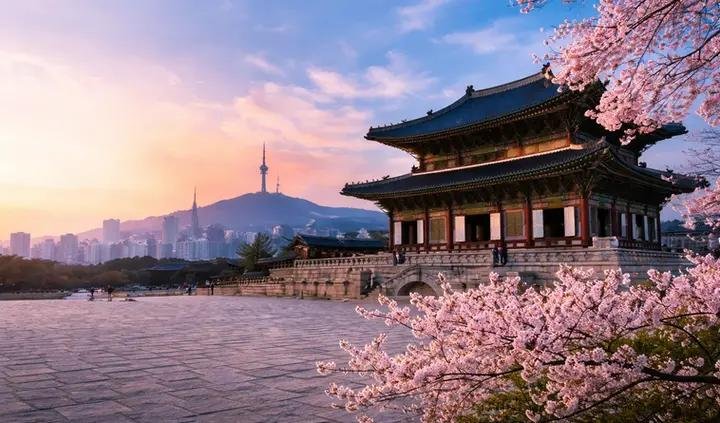

Three days in Seoul is enough to see the city’s biggest highlights without rushing every minute. You can walk through a royal palace, explore a traditional hanok neighborhood, eat your way through busy markets, see the city from Namsan, and finish with the lights of Hongdae. The key is to group places by area so you spend more time exploring and less time on the subway.
Seoul is a large city, but its public transportation is easy to use once you understand the basics. Most first-time visitors can follow this plan with a transportation card, a navigation app, and comfortable walking shoes. You do not need to rent a car.
This Seoul 3 day itinerary is organized by neighborhood: historic Seoul on Day 1, Namsan, Myeongdong and Dongdaemun on Day 2, and Gangnam, the Han River and Hongdae on Day 3. You will also find tips on where to stay, how much to budget, what to eat, and how to adjust the plan for rain, heat, or winter cold.
Quick Overview of the 3 Day Seoul Itinerary
| Day | Theme | Main Stops | Best Way to Travel |
|---|---|---|---|
| Day 1 | Historic Seoul | Gyeongbokgung Palace, Bukchon Hanok Village, Insadong, Cheonggyecheon, Gwangjang Market | Subway and walking |
| Day 2 | Views, shopping and design | Namsan and N Seoul Tower, Myeongdong, Dongdaemun Design Plaza | Subway, cable car and walking |
| Day 3 | Modern Seoul and nightlife | Bongeunsa Temple, COEX Starfield Library, Han River park, Hongdae | Subway and walking |
If you only have time for the essentials, Gyeongbokgung Palace, Myeongdong, Namsan and Hongdae give you a good mix of history, food, shopping, views and nightlife.
Use the free tools below to estimate your trip budget, adjust the plan to your travel style, and choose the best area to stay.
Seoul 3 Day Trip Budget Calculator
Enter your own expected prices to estimate your trip total in Korean won (KRW).
The starting numbers are only sample values, not official prices. Replace them with current hotel rates, fares and ticket prices. This estimate excludes flights and airport transfers.
Adjust the Itinerary to Your Travel Style
Tell us who you are traveling with and what you enjoy most to get suggested tweaks.
These are planning ideas. Check opening days and hours before you go, especially for palaces and museums.
Where Should You Stay in Seoul?
Pick your top priority to see which area may suit a 3 day trip.
Hotel prices and availability change by season. Check the exact distance from the nearest subway station before booking.
Interactive 3 Day Seoul Planner
Choose a day, then tick each stop off as you plan or travel.
Times are suggestions. Check opening days and hours, especially for palaces and markets.
Before You Go: Quick Planning Tips
Best Time to Visit Seoul
Spring (roughly April to May) and autumn (roughly September to November) are popular because temperatures are usually comfortable and the scenery is attractive. Summer can be hot, humid and rainy. Winter can be very cold, although the city still has plenty of indoor options. Weather varies each year, so check the forecast before you pack.
Get a Transportation Card
A rechargeable transportation card such as T-money makes subway and bus rides easier. Standard physical cards are generally bought and topped up with Korean won, so carry some cash. For a full comparison of cards, apps and fares, read our guide on how to get around South Korea.
Download Navigation Apps
Naver Map and KakaoMap are generally more useful than Google Maps for walking and public transportation directions in Korea. Papago can help with translation.
Check Opening Days Before You Go
Many Seoul attractions close on a fixed weekday. Gyeongbokgung Palace is normally closed on Tuesdays, while Changdeokgung Palace is normally closed on Mondays. Opening hours, ticket prices and closure days can change, so always check the official website before you travel.
If You Arrive Late
This itinerary assumes you start Day 1 in the morning. If your flight lands in the afternoon or evening, treat Day 1 as your arrival day and move the palace visit to the next morning.
Seoul Travel Essentials at a Glance
| Topic | What to Know |
|---|---|
| Currency | Korean won (₩). Cards are widely accepted, but carry some cash for markets and small stalls. |
| Language | Korean. English signs are common in subway stations and tourist areas. Use Papago to translate menus and signs. |
| Apps | Naver Map or KakaoMap for directions, Papago for translation, Kakao T or k.ride for taxis |
| Mobile data | Arrange an eSIM, SIM card or portable Wi-Fi before you need it |
| Tipping | Generally not expected in restaurants, taxis or hotels |
| Power | 220V with Type C and F plugs. Check whether your devices need an adapter. |
| Entry rules | Check whether your nationality needs a visa or K-ETA before you book flights, because rules change |
| Safety | Seoul is widely regarded as safe. Watch for traffic when crossing and keep valuables secure. |
| Subway hours | Most lines stop around midnight. Check the last train before a late night out. |
Where to Stay in Seoul for 3 Days
Staying near a subway station saves more time than almost any other planning choice. These areas work well for a short first visit.
| Area | Best For | Why It Works |
|---|---|---|
| Myeongdong | First-time visitors and shoppers | Central location, many hotels, street food and good subway access |
| Hongdae | Nightlife and younger travelers | Lively streets, cafes and a direct airport railway connection |
| Jongno and Insadong | History and culture | Close to palaces, traditional streets and Bukchon |
| Seoul Station area | Easy arrivals and train travel | Convenient for the airport railway and intercity trains |
| Gangnam | Modern city feel | Business district, shopping and dining, but farther from the old palaces |
For most first-time visitors, Myeongdong or the Jongno area is the easiest base for a 3 day trip.
Day 1: Historic Seoul, Palaces and Traditional Markets
Day 1 stays in the old city, where most of the main sights are close together. You can walk between many of them.
Morning: Gyeongbokgung Palace
Start at Gyeongbokgung Palace, the largest of Seoul's five grand palaces. Arrive close to opening time to enjoy cooler air and smaller crowds. The nearest subway stop is Gyeongbokgung Station on Line 3 (Exit 5), a short walk from the main gate. Inside, look for Geunjeongjeon Hall (the main throne hall), Gyeonghoeru Pavilion and the surrounding gardens.
The royal guard-changing ceremony at the main gate is a popular sight. It has typically been held around 10:00 and 14:00 (not on closure days), but times can change, so check the palace website for the current timetable.
Tip: Visitors wearing hanbok (traditional Korean dress) have generally been able to enter the main palaces for free. Many rental shops operate near the palace. Confirm the current rules before you rent.
Closed Tuesday? If your Day 1 falls on a Tuesday, visit Changdeokgung Palace instead, or swap Day 1 with another day.
Late Morning: Bukchon Hanok Village
Walk from the palace to Bukchon Hanok Village, a neighborhood of traditional Korean houses between Gyeongbokgung and Changdeokgung. The views of tiled rooftops and narrow lanes are a favorite photo spot.
People live here, so keep your voice low and follow any posted signs. Some areas have visiting-hour limits, so check the latest local rules.
Lunch and Afternoon: Insadong
Insadong is a traditional-style street with tea houses, craft shops and souvenir stores. It is a good place to try a traditional tea, buy small gifts, or have a Korean set meal.
Late Afternoon: Cheonggyecheon Stream
Cheonggyecheon is a restored stream running through the city center. A walk along the water is a relaxing break after a busy day of sightseeing, especially in the evening when the stream is lit up.
Evening: Gwangjang Market
Finish at Gwangjang Market, one of Seoul's best-known traditional food markets. Popular dishes include bindaetteok (mung bean pancakes), mayak gimbap, tteokbokki and fresh street snacks. Bring some cash and be ready to share a table with other diners.
Day 1 summary: Gyeongbokgung Palace, Bukchon Hanok Village, Insadong, Cheonggyecheon, Gwangjang Market.
Day 1 Timetable at a Glance
| Time | Stop | Time Needed |
|---|---|---|
| 9:00 | Gyeongbokgung Palace (Line 3, Gyeongbokgung Station, Exit 5) | 1.5 to 2 hours |
| 11:30 | Walk to Bukchon Hanok Village (a gentle uphill walk) | 1 to 1.5 hours |
| 13:00 | Lunch and Insadong, with a stop at Jogyesa Temple | About 2 hours |
| 15:30 | Optional: Ikseon-dong hanok alleys and cafes | 1 to 1.5 hours |
| 17:00 | Cheonggyecheon Stream walk | About 45 minutes |
| 18:30 | Dinner at Gwangjang Market | 1 to 1.5 hours |
Day 1 Tips
- Dinner pick: Gwangjang Market. Arrive hungry and share dishes so you can try more.
- Short on time: Skip Ikseon-dong or Cheonggyecheon.
- Hanbok rental: Compare prices at a few shops. Rates and conditions vary, and shops a block or two from the palace gate are often cheaper.
- Bukchon: It is usually busiest in the middle of the day. Go early, or choose a light rainy day when crowds are smaller.
- Shoes: Wear comfortable walking shoes. Many of the streets are hilly or uneven.
Day 2: Namsan, Myeongdong and Dongdaemun
Day 2 mixes views, shopping and modern design.
Morning: Namsan and N Seoul Tower
Head to Namsan, the hill in the middle of Seoul. You can walk up, take a bus, or ride the Namsan cable car. At the top, N Seoul Tower offers wide views of the city. You can enjoy the park and viewpoints without going inside the tower, and you can decide whether to buy an observation ticket based on weather and budget.
Clear mornings usually give the best visibility. On hazy or rainy days, consider saving the tower for another day.
Lunch and Afternoon: Myeongdong
Myeongdong is Seoul's best-known shopping district for Korean skincare, cosmetics and fashion. You will find large flagship stores as well as small shops. In the evening, street food stalls fill many of the main lanes.
If you want a quiet moment between shops, visit Myeongdong Cathedral, one of Seoul's best-known historic churches.
Tip: Compare prices before buying cosmetics, and ask about tax-refund options for tourists. Refund rules and minimum spend amounts can change, so confirm them at the store.
Evening: Dongdaemun Design Plaza (DDP)
Dongdaemun Design Plaza is known for its curved, futuristic architecture designed by Zaha Hadid. The exterior is especially striking after dark, and the area is also known for late-night fashion shopping. Check what exhibitions or events are on during your visit.
Day 2 summary: Namsan and N Seoul Tower, Myeongdong, Dongdaemun Design Plaza.
Day 2 Timetable at a Glance
| Time | Stop | Time Needed |
|---|---|---|
| 9:00 | Namsan Park and N Seoul Tower (walk up in about 30 to 40 minutes, or take the cable car) | 2 to 2.5 hours |
| 12:00 | Lunch in Myeongdong | About 1 hour |
| 13:15 | Myeongdong shopping and Myeongdong Cathedral | 2 to 3 hours |
| 16:30 | Subway Line 4 to Dongdaemun History & Culture Park | 10 to 15 minutes |
| 17:00 | Dongdaemun Design Plaza (DDP) | 1 to 1.5 hours |
| 19:00 | Dinner and late-night shopping in Dongdaemun | About 1.5 hours |
Day 2 Tips
- Dinner pick: Korean BBQ near Dongdaemun, or a casual restaurant back in Myeongdong. Book popular places ahead.
- Namsan: A good trick is to take the cable car one way and walk the other. The areas around the tower have good views even if you skip the paid observation deck.
- Local market option: If you want a more local market, swap in Namdaemun Market (Line 4, Hoehyeon Station) in the morning.
- Shopping: Ask about tax-refund rules and minimum spend before you buy. Keep your passport handy.
- Skincare: Compare prices in the large beauty stores before filling your bag.
Day 3: Gangnam, the Han River and Hongdae
Day 3 shows a more modern side of Seoul.
Morning: Bongeunsa Temple and COEX Starfield Library
Bongeunsa is an active Buddhist temple surrounded by tall buildings in Gangnam. The contrast between the traditional temple and the modern skyline makes it a memorable stop.
Next door is the COEX Mall, home to the Starfield Library, a large open library with towering bookshelves. It is a popular photo spot, and the space is free to enter, though the mall's shops and restaurants are for spending.
Afternoon: Han River Park
The Han River parks are where many locals relax. Walk, rent a bike, have a picnic, or enjoy a simple snack by the water. Many convenience stores near the parks sell ready-to-eat food and drinks.
In warmer months, the Banpo Bridge Moonlight Rainbow Fountain show is a popular evening attraction. Show seasons and times change, so check before planning around it.
Evening: Hongdae
Hongdae is Seoul's youth and nightlife district, near Hongik University. Expect street performers, indie shops, cafes, bars, and plenty of places to eat. It is also a good area for last-minute souvenirs.
If you want a quieter atmosphere, walk toward the nearby Yeonnam-dong cafe streets.
Day 3 summary: Bongeunsa Temple, COEX Starfield Library, Han River Park, Hongdae.
Day 3 Timetable at a Glance
| Time | Stop | Time Needed |
|---|---|---|
| 9:30 | Bongeunsa Temple (Line 9 Bongeunsa Station or Line 2 Samseong Station) | 45 minutes to 1 hour |
| 10:45 | COEX Mall and Starfield Library | 1 to 1.5 hours |
| 12:30 | Lunch at COEX or nearby | About 1 hour |
| 14:00 | Han River park (Banpo or Yeouido) | 2 to 3 hours |
| 17:30 | Subway to Hongdae (use Naver Map for transfers) | 40 to 60 minutes |
| 18:30 | Dinner, street performers and cafes in Hongdae | About 3 hours |
Day 3 Tips
- Dinner pick: Hongdae has everything from Korean BBQ to cafes. Arrive around early evening, when the area is livelier than in the morning.
- Han River picnic: Pick up ramyeon, snacks and drinks at a nearby convenience store.
- Starfield Library: Plan on a short photo stop rather than a long visit, unless you also want to shop in the mall.
- Late night: Check the last subway time before you head back to your hotel.
Alternative Stops to Swap Into Your Seoul Itinerary
If you have different interests or a bit more time, consider these swaps:
- DMZ tour: A half-day or full-day trip to the border area. These are usually booked in advance with a tour operator, and you may need your passport.
- Changdeokgung Palace and Secret Garden: A good alternative if Gyeongbokgung is closed. Guided entry may apply for some areas.
- Lotte World Tower and Seoul Sky: Tall-building views and shopping in the Jamsil area.
- Seoul Forest: A large park that suits families and slower travel days.
- Itaewon: An international dining area with many restaurants and bars.
- A K-pop or K-drama experience: Look for theme cafes, studio tours or fan-focused stores in areas like Hongdae and Seongsu.
Extend This Itinerary to 4 or 5 Days
If you can stay longer, these additions fit naturally after the 3 day plan:
- Day 4: Changdeokgung Palace and Secret Garden, Ikseon-dong, then Seongsu-dong cafes or Seoul Forest. Or take a DMZ tour (book ahead and bring your passport).
- Day 5: A day trip to Suwon Hwaseong Fortress, or a KTX train trip to Busan if you want to see another city. See our guide to getting around South Korea for intercity transport.
Seoul 3 Day Itinerary by Weather and Season
- Rainy days: Swap outdoor sights for COEX Mall, museums, covered markets, cafes and shopping areas. Keep Gwangjang Market, which has many covered sections.
- Hot summer days: Visit outdoor sights early in the morning, take midday breaks in air-conditioned malls or cafes, and return to the Han River in the evening.
- Cold winter days: Wear layers, carry hand warmers, and plan indoor stops like museums, shopping malls and tea houses between outdoor sights.
- Spring and autumn: These are good seasons for palace walks, Namsan and the Han River, but they are also popular, so book hotels early.
How Much Does a 3 Day Seoul Trip Cost?
Your budget depends on where you stay, what you eat and how many paid attractions you choose. The main cost categories are:
| Cost Category | What Affects It |
|---|---|
| Accommodation | Area, hotel type and season |
| Food | Street food, casual restaurants or sit-down meals |
| Local transport | Number of subway and bus rides, plus any taxis |
| Attractions | Palace tickets, N Seoul Tower, tours and activities |
| Shopping and extras | Cosmetics, souvenirs, SIM or eSIM, tax and tips |
A simple formula is: accommodation cost per night multiplied by nights and rooms, plus daily spending per person multiplied by days and travelers. The calculator near the top of this guide does that for you. Replace the sample numbers with the current prices you find, because fares and hotel rates change often.
Indicative Price Guide
These are rough planning figures only. Confirm current prices before you travel.
| Item | Approximate Price |
|---|---|
| Seoul subway base fare with a transportation card | Around ₩1,550 |
| Street food snack | ₩3,000 to ₩5,000 |
| Convenience store meal | ₩3,000 to ₩5,000 |
| Casual Korean restaurant meal | ₩10,000 to ₩20,000 per person |
| Palace entry | Usually a few thousand won, and generally free in hanbok at the main palaces |
| N Seoul Tower and Seoul Sky observation decks | Varies, so check the official sites |
Getting Around Seoul in 3 Days
The subway is the backbone of this itinerary. Seoul's subway lines connect most major attractions, and many stations have English signs and announcements. Buses are useful for places farther from subway stations, and taxis help with late nights or heavy luggage.
A few practical tips:
- Tap your card when you enter and exit, where required.
- Check your exit number before leaving the station.
- Avoid heavy rush hours if possible.
- Check the last train time before a late night out.
For detailed fares, card options and taxi apps, see our complete guide on getting around South Korea.
From Incheon Airport to Central Seoul
The AREX Express train runs directly to Seoul Station and generally takes under an hour. The AREX All-Stop train is useful if your hotel is near Hongik University Station (Hongdae) or another stop on the line. Airport limousine buses are convenient if your hotel is near a bus stop, and taxis cost more but go door to door.
Food to Try During Your Seoul Itinerary
- Korean BBQ: Grilled meat shared at the table, usually with side dishes.
- Bibimbap: Rice with vegetables, egg and gochujang.
- Tteokbokki: Chewy rice cakes in a spicy sauce.
- Bindaetteok: Crispy mung bean pancakes, popular at traditional markets.
- Korean fried chicken: A casual favorite, often paired with beer.
- Hotteok: Sweet filled pancakes, especially popular in cooler weather.
- Convenience store meals: Cheap, easy and a real part of daily Korean life.
If you have food allergies or dietary restrictions, learn a few key phrases or use a translation app, because sauces and broths can contain hidden ingredients.
Seoul Etiquette and Things First-Timers Should Know
- Shoes: Take them off in homes, some traditional restaurants and temple halls, where there is usually a shoe rack at the door.
- Priority seats: Leave the seats reserved for older adults, pregnant passengers and travelers with disabilities free, even when the train is empty.
- Noise: Keep your voice low on the subway and in residential areas such as Bukchon.
- Call buttons: Many restaurants have a button on the table to call the server.
- Convenience stores: CU, GS25 and 7-Eleven sell hot meals and ramyeon, and many have seating.
- Trash: Public trash cans are limited. Carry your trash to a convenience store or station bin.
- Mornings: Many cafes and shops in trendy neighborhoods open later in the day, so plan palaces and markets for the morning and neighborhoods for the afternoon and evening.
- Cash: Carry some won for markets and small vendors.
What to Skip or Shorten if You Are Short on Time
- Dongdaemun Design Plaza: The architecture is the main attraction, so a short visit is enough.
- Starfield Library: A quick photo stop of 20 to 30 minutes works for most visitors.
- A second palace: One palace is enough unless you love history.
- Myeongdong for dinner: It is excellent for snacks and shopping, but many travelers prefer a sit-down dinner elsewhere.
- Seoul Sky or Lotte World: Only add these if you have a specific interest or are traveling with children.
Common Mistakes to Avoid
- Planning too many stops in one day. Seoul is large, and walking, transfers and queues take time.
- Ignoring closure days. Check palace and museum closing days before fixing your schedule.
- Hopping across the city in random order. Group places by neighborhood.
- Relying only on Google Maps. Use Naver Map or KakaoMap for local transit details.
- Forgetting cash. Markets and card top-ups often need Korean won.
- Skipping travel insurance and mobile data. Arrange a SIM, eSIM or portable Wi-Fi before you need it.
- Not leaving buffer time. Leave space for rest, meals and unexpected discoveries.
Frequently Asked Questions About a Seoul 3 Day Itinerary
1. Is 3 days enough for Seoul?
Three days is enough to see the main highlights if you group stops by area. You will not see everything, but you can enjoy palaces, markets, viewpoints, shopping and nightlife.
2. Where should I stay for a 3 day trip to Seoul?
Myeongdong, the Jongno and Insadong area, and Hongdae are all good choices for first-time visitors. Pick the one that matches your main interest, and stay near a subway station.
3. What is the best order for the 3 days?
A common order is historic Seoul on Day 1, Namsan and Myeongdong on Day 2, and modern Seoul plus Hongdae on Day 3. Adjust the order if a palace is closed on a particular weekday.
4. Do I need to buy tickets in advance?
For most places in this itinerary you can buy tickets on the day. Tours such as the DMZ, special exhibitions and some popular restaurants may need advance booking.
5. How many steps will I walk per day?
Expect a lot of walking, often several hours per day, so wear comfortable shoes. Use taxis or buses if you need to reduce walking.
6. Is Seoul safe for tourists?
Seoul is widely regarded as a safe city for visitors. As in any big city, keep your valuables secure, stay aware of your surroundings, and plan late-night trips carefully.
7. Can I do this itinerary with kids?
Yes, with a few changes. Consider adding Seoul Forest or Lotte World, building in rest breaks, and shortening the evening activities.
8. Can I add a day trip?
If you have a fourth day, a DMZ tour, a visit to Suwon Hwaseong Fortress, or a trip to Gyeongju or Busan by train can be a good addition. See our guide to getting around South Korea for intercity travel options.
9. Do I need a visa or K-ETA for Seoul?
It depends on your nationality and how long you plan to stay. Check the official South Korean government and K-ETA sources before you book, because entry rules and exemptions can change.
10. Is Seoul expensive?
Public transport and street food are affordable, while hotels, cafes and some attractions can cost more. Use the budget calculator earlier in this guide to estimate your own total.
11. Should I carry cash in Seoul?
Yes. Cards are widely accepted, but markets, small stalls and some transportation card top-ups may need Korean won.
12. Does Google Maps work for directions in Seoul?
It is useful for finding places, but Naver Map and KakaoMap are generally better for walking and public transportation directions.
Final Thoughts
A good Seoul 3 day itinerary balances history, food, views and nightlife without cramming in too much. Spend Day 1 in the palaces and traditional markets, use Day 2 for Namsan, Myeongdong and Dongdaemun, and enjoy Day 3 in modern Seoul and Hongdae.
Book a hotel near the subway, download Naver Map, carry some Korean won, and check the opening days of your main attractions. With a little preparation, three days is enough to leave Seoul with great memories and a long list of reasons to return.
If you are planning a wider trip, explore our South Korea Travel Guide for First-Time Visitors for destinations, costs and planning tips